Father's Day Gift Guide for Outdoorsy Dads
Discover the best Father's Day gifts for outdoorsy dads, from camping gear and backpacking essentials to hiking, fishing, and practical outdoor gifts he'll actually use.
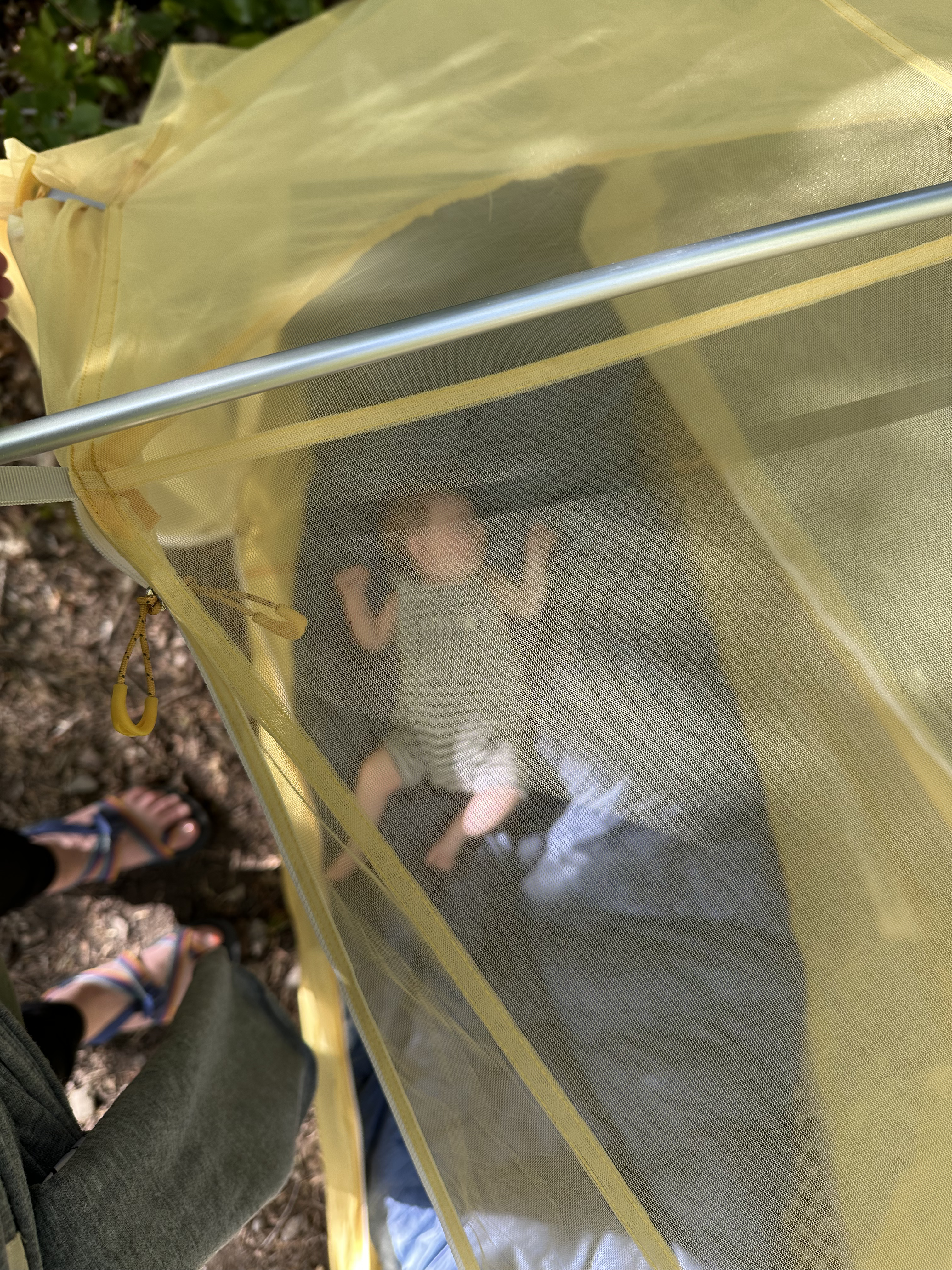
Sleeping in a tent with a baby takes extra planning. You are trying to keep your baby comfortable, warm enough, and as safe as possible in a setting that is very different from home.
Disclaimer: I am not a safe sleep expert. I am a mom who has tried to camp safely with her babies. I recommend doing your own research, talking with medical providers or child safety experts about any concerns, and listening to your parental instincts.
You will need to weigh the risks of camping with your baby. I am also not going over specific safe sleep practices in detail; I will leave that research to parents outside of this article.
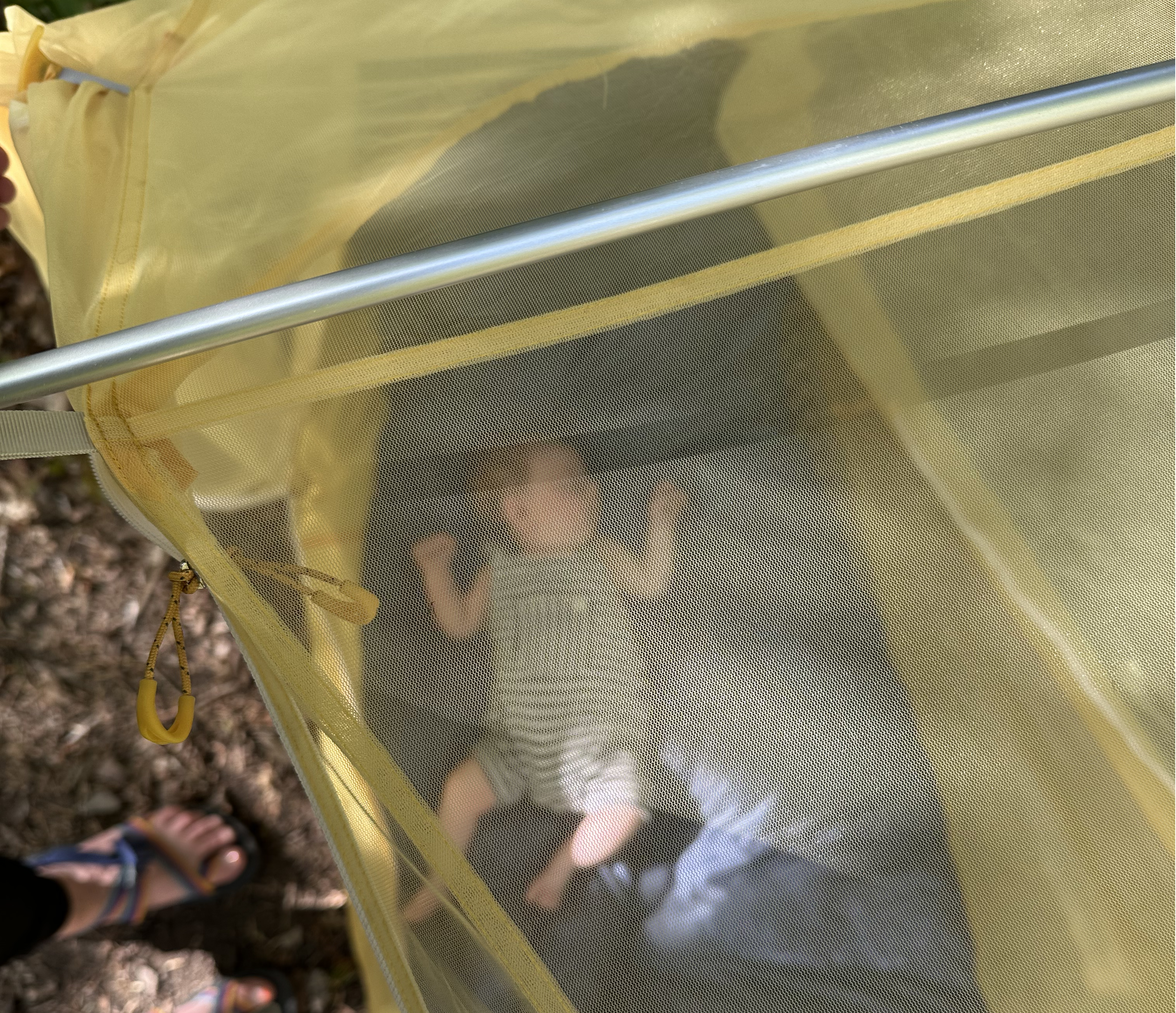
In simple terms, what you do at home to practice safe sleep with your baby is what you should aim to do when camping.
That is easier said than done.
It is much easier to achieve while car camping. You can bring a large travel bassinet or crib, give your baby plenty of space in a larger tent, or use a travel trailer or van if that is part of your setup.
It gets trickier when you are sleeping on the ground or attempting backcountry camping.
My main recommendation is to test your sleep setup at home. Set up a tent in your living room or backyard and practice there first.
You can also start with a very small camping trip close to home, ideally somewhere you could easily leave or have a backup plan if things are not going well.
My first camping trip with my first baby was a shakedown trip. My parents were staying in a nearby cabin that we could easily drive to, which gave me peace of mind as a very anxious first-time mom.
Babies should not sleep on inflatable pads for the first year.
For car camping, consider bringing a travel bassinet or crib. This helps create a firm, separate sleep surface for your baby.
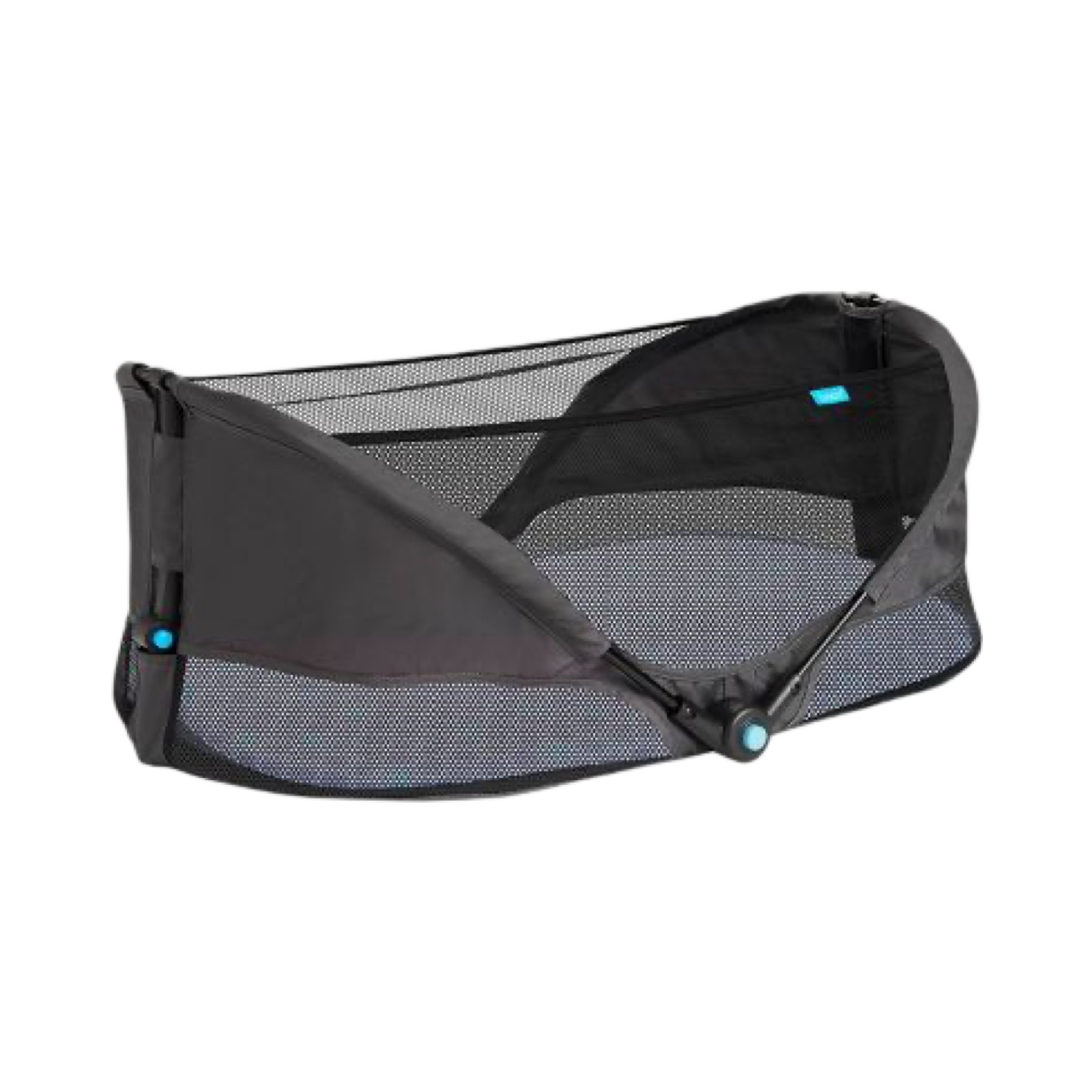
There are lightweight, foldable travel bassinets like the Munchkin Brica Baby Travel Pod.
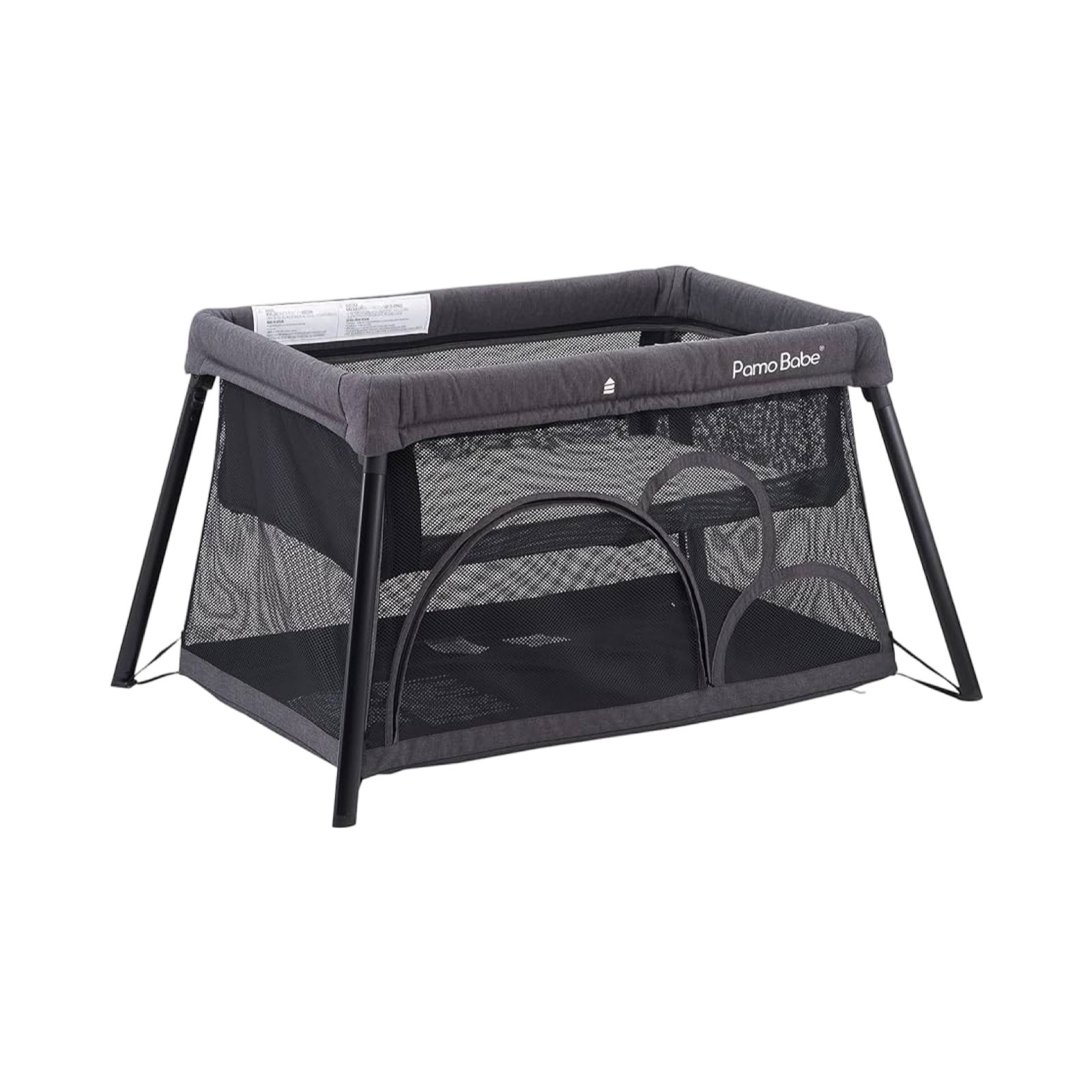
Portable travel cribs are another option. We use the Pamo Babe Travel Crib. The Slumber Pod is also really popular.
Some families get creative with other firm, separate sleep spaces. Keep in mind that most of these are not recommended by safe sleep experts or safety-rated, so this is up to parental discretion. Possible alternatives include a laundry basket, Moses basket (some are rated for safe sleep), stroller bassinet attachment, plastic container similar to a hospital-style bassinet, or even a cardboard box.
DockATot makes a cardboard bassinet that is easily transportable and has been approved for safe sleep. I think they may be discontinuing this product, and it is currently half off.
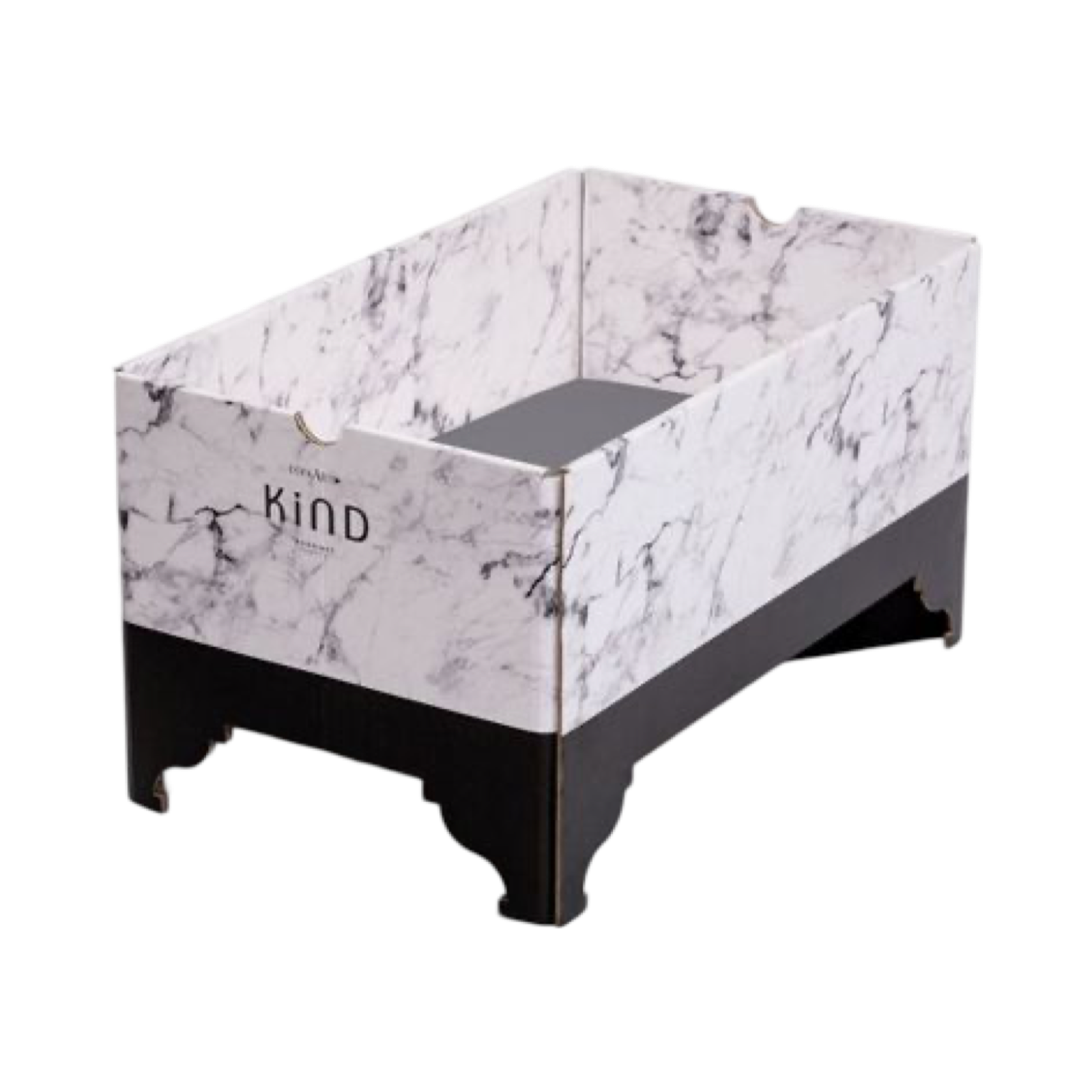
Cardboard boxes or baby boxes are not CPSC-approved in the United States. In other countries, it has been or still is common for hospitals to send parents home with a baby box for sleep if needed.
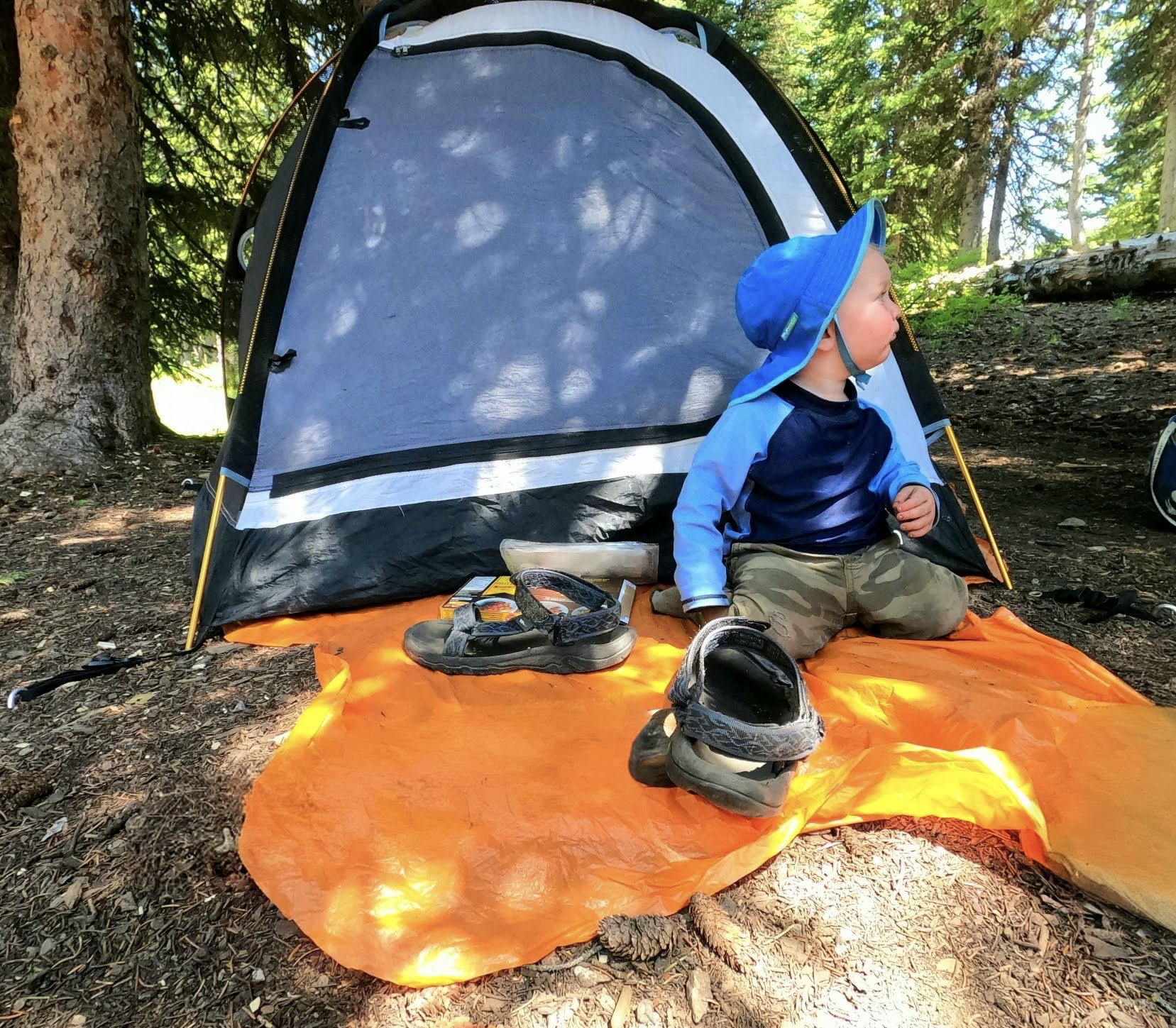
This section gets more technical for colder temperatures. If you are camping in mild summer weather, it may not apply as much.
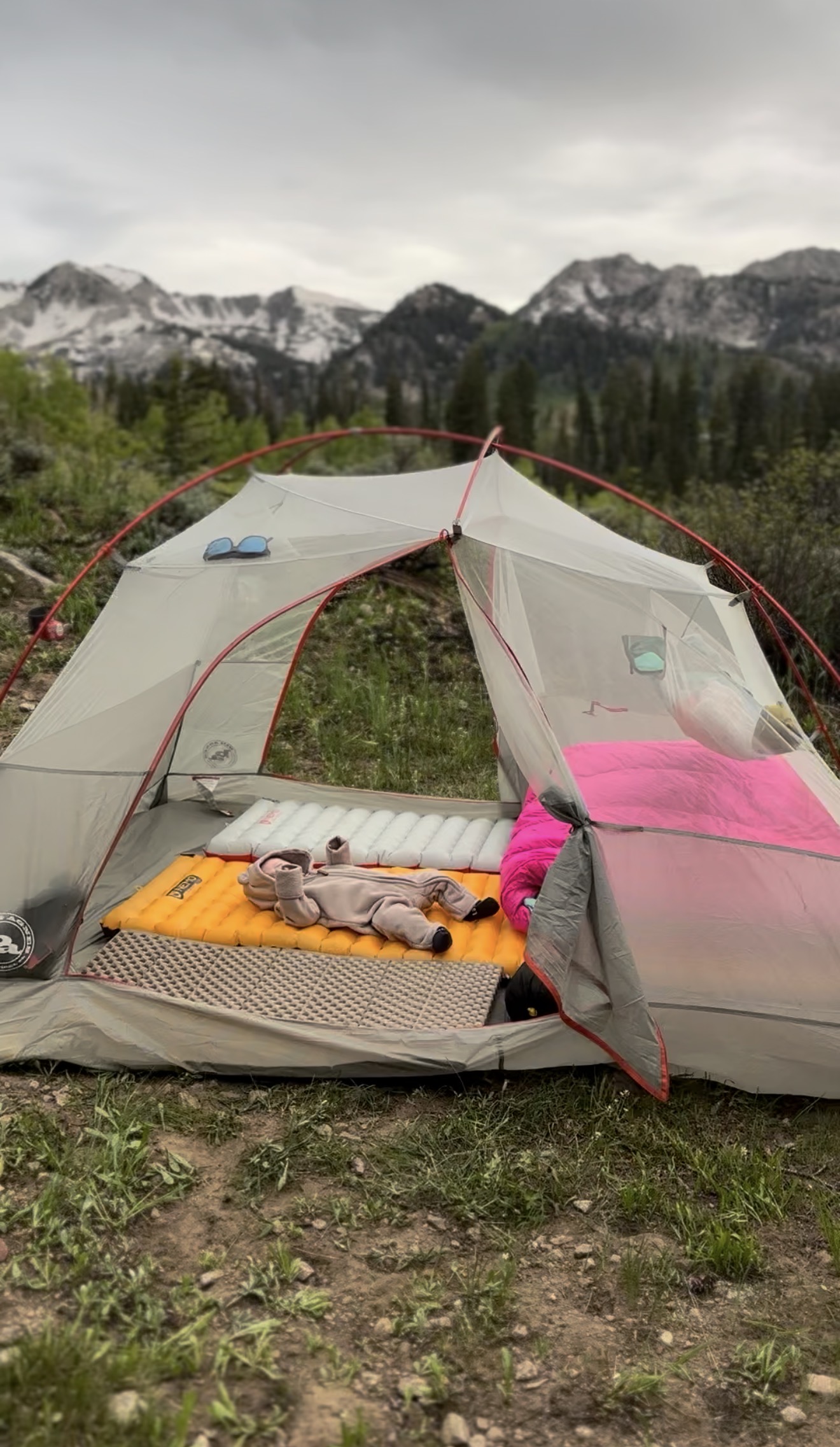
When camping in tents, pay attention to how well you are insulated from the ground. We lose a lot of body heat to the ground when camping. That is why sleeping pads are given R-value ratings. R-values help us understand how warm and insulated a sleeping pad is, which helps us decide whether our sleep setup is warm enough.
Basic R-value breakdown:
If your baby’s sleep surface is flat and rests directly on the ground, you may need to add insulation under that sleep surface or dress your baby in warmer sleep clothing. This depends on the overnight temperature and how cold the ground will get.
Most portable baby bassinet or crib pads do not have an R-value rating. Typically, those pads are thin and not very insulating.
When camping with babies, I think through it this way:
Examples of additional insulation include a closed-cell foam sleeping pad, a wool blanket, or Reflectix.
If your baby is elevated and not sleeping directly on the ground, likely in a travel crib, they may not lose as much body heat to the ground. However, in colder temperatures, you may still want additional insulation under their sleep surface.
It is similar to sleeping on a cot or in a hammock while camping. Hammock sleepers who sleep without a pad or additional insulation can get cold because the insulation in a sleeping bag compresses beneath their back and does not provide as much warmth.
These recommendations go beyond the scope of safe sleep at home. Parents have to decide what they are comfortable with.
When backpacking, you usually will not have the luxury of a travel crib or full-size bassinet. Some parents still bring a lightweight, foldable bassinet like the KidCo Peapod to maintain a separate sleeping space for their baby.
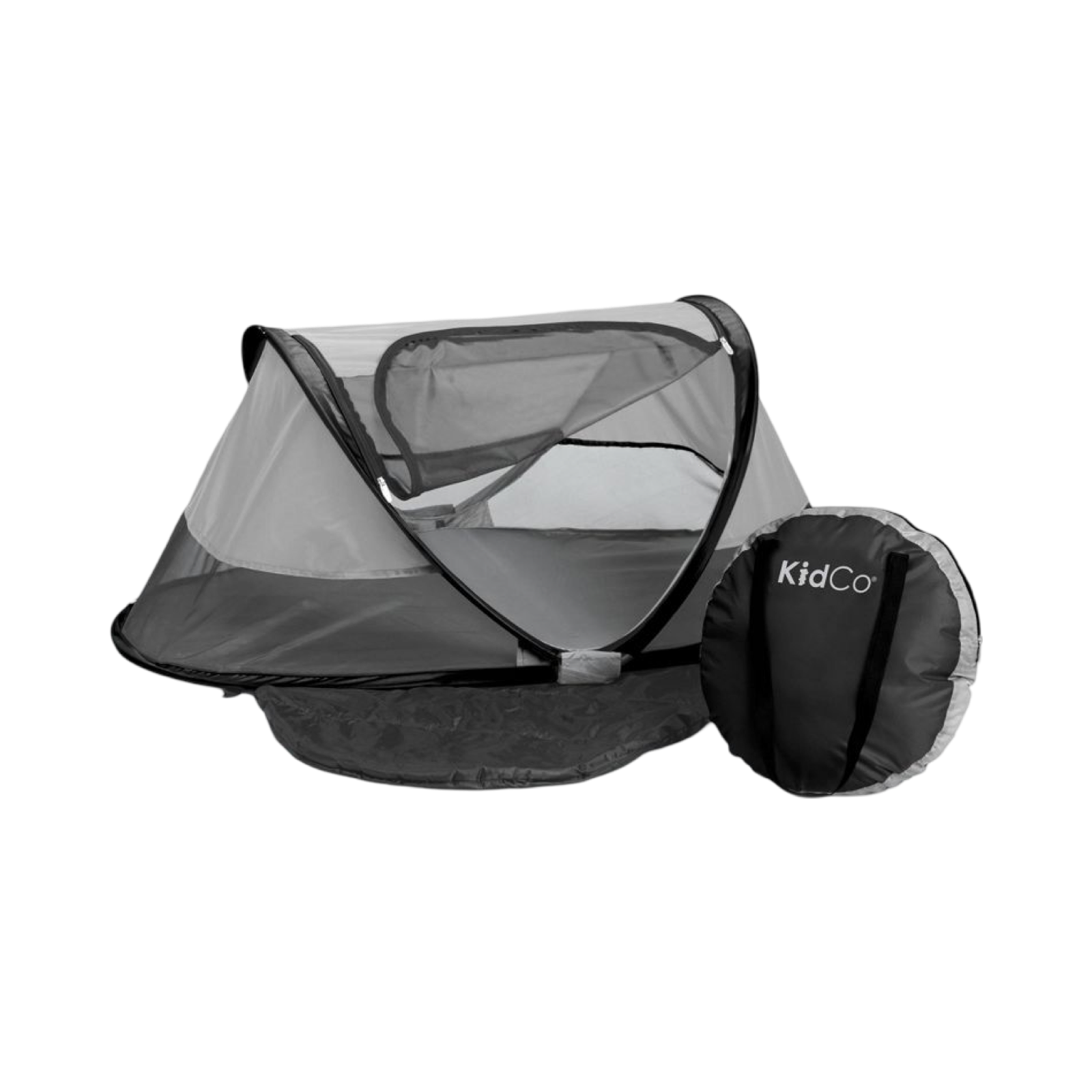
Other parents use a closed-cell foam sleeping pad or yoga mat to create a firm sleep space when backpacking.
It is not recommended for babies under 1 year old to sleep on inflatable sleeping pads.
Our preferred backpacking sleep setup was a closed-cell foam pad. We use the Therm-a-Rest Z Lite pad. It has an R-value of 2 but can be folded in half to double the R-value from 2 to 4 if needed, since R-values stack.
The Exped or Nemo closed-cell foam pads would work as well.
With my first baby, I kept our car camping sleep setup the same as our backpacking sleep setup. That helped my baby acclimate and kept things consistent.
Your sleep sack at home likely will not be enough for camping with your baby. Luckily, several baby-specific sleeping bags have been designed for outdoor families in recent years.
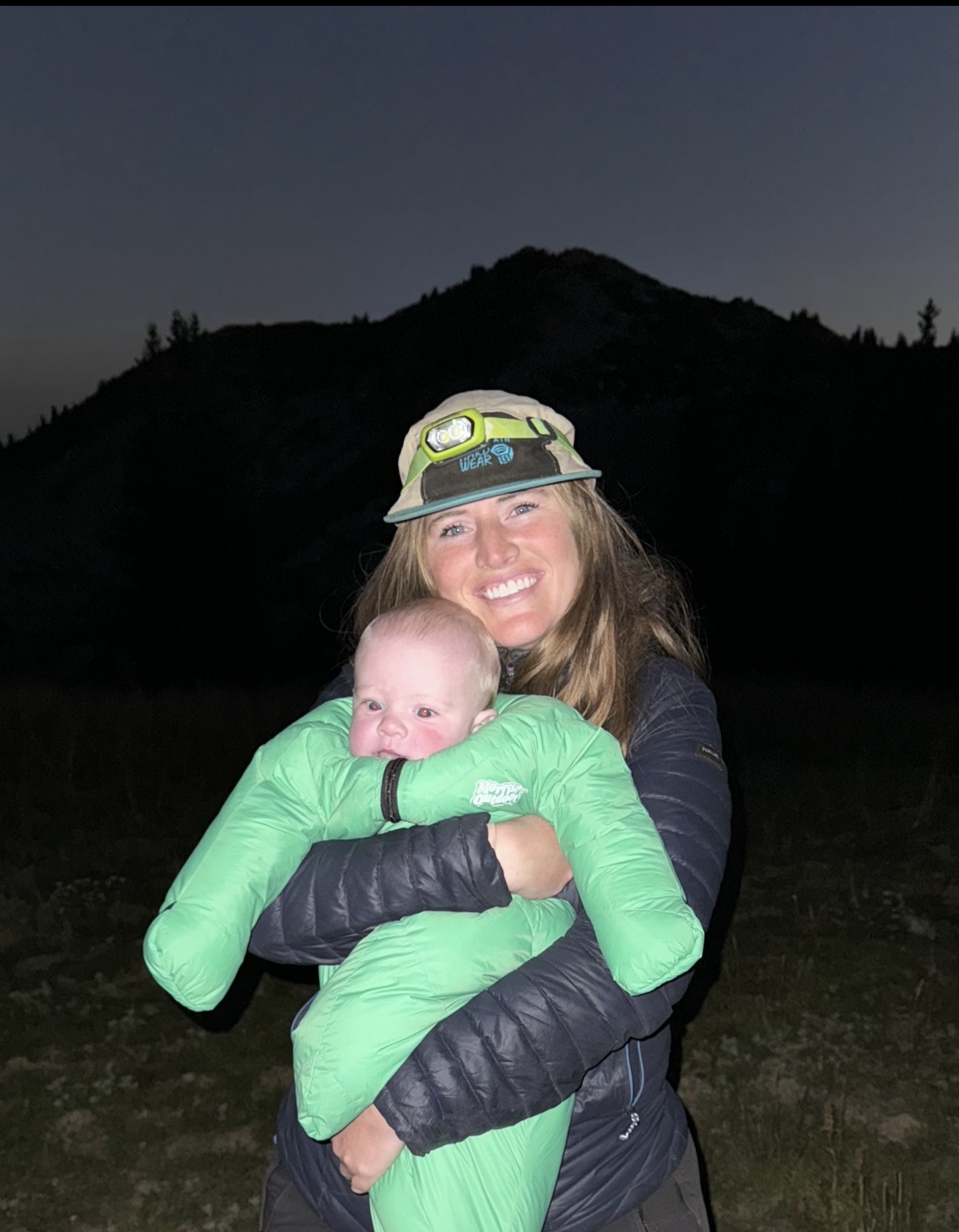
Morrison Outdoors makes some of the most popular baby sleeping bags. They offer three different sizes ranging from 6 months to 5 years old.
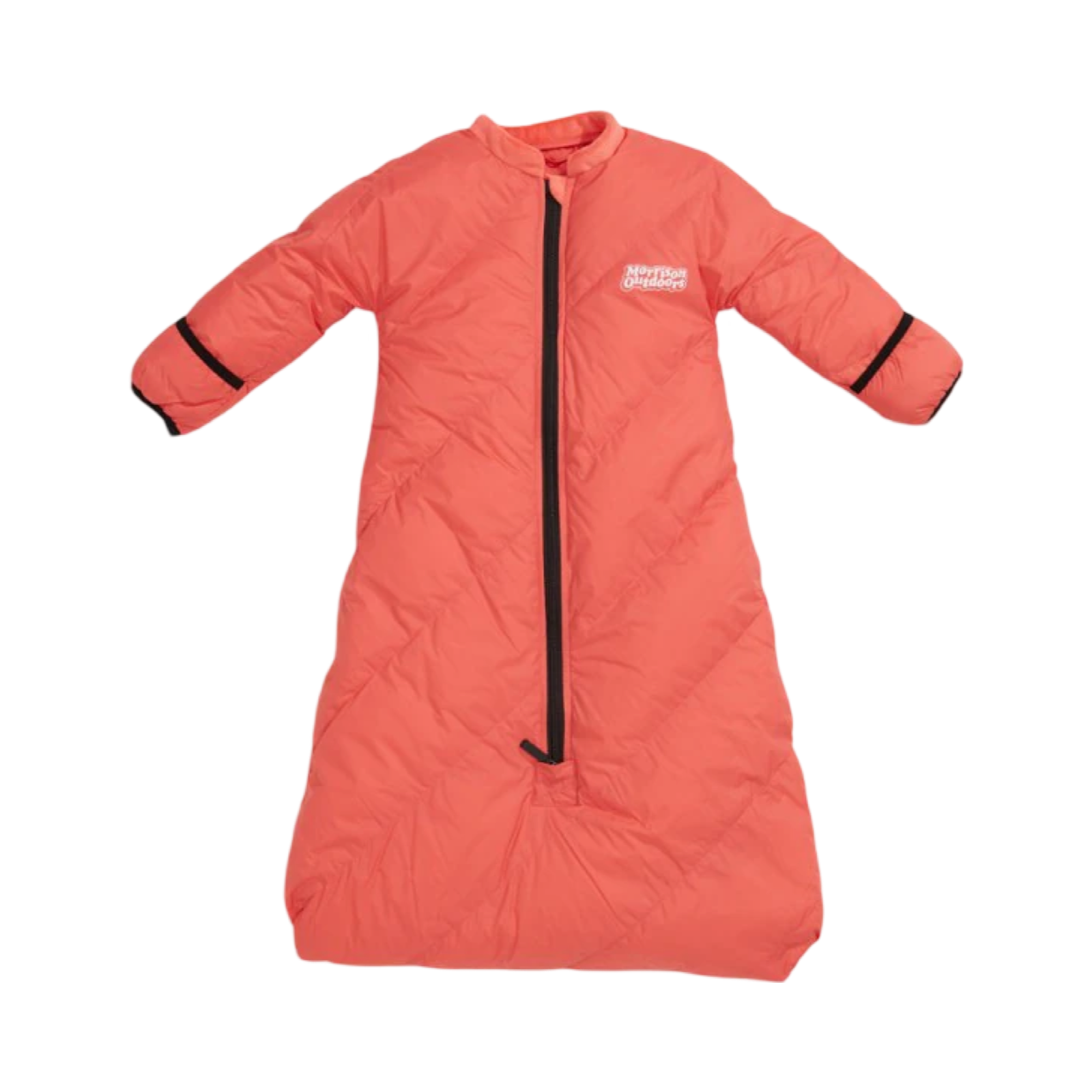
Their baby sleeping bags meet AAP-recommended guidelines for safe infant sleep. They have no hoods or drawstrings, and the snug, soft collar is designed to prevent babies from potentially slipping inside.
Their bags range in price from $85 to $200, depending on fill material and size. They come in two temperature ratings: 20°F down fill and 40°F synthetic fill. The down fill is more compressible, lightweight, and better for backpacking. The synthetic fill is a good option for car camping.
They offer three size options:
Morrison Outdoors also recently added adjustable hand cuffs to all of their sleeping bags, which was a highly requested feature.
What about babies younger than 6 months? There are two options we have tried.
Milk & Honey Down Sleeping Bags are a very underrated option. They offer two sizes ranging from 3 months to 6 years old.
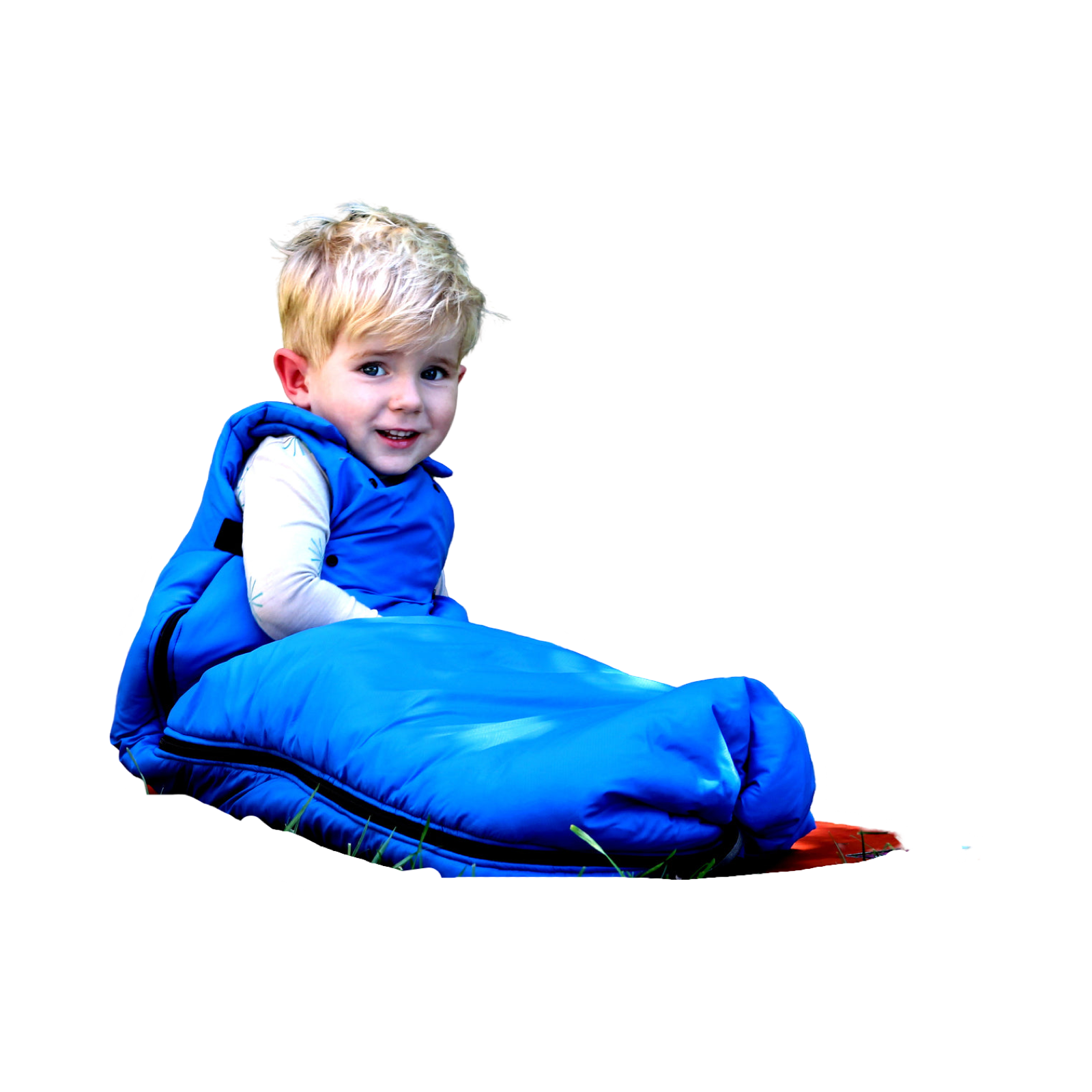
This sleeping bag has a lot to offer and is rated for babies as young as 3 months, with adjustable neck and arm openings and three size adjustments.
Their bags fit a wide range of sizes, allowing parents to use one bag longer: 3 months to 3 years old, or 2 years to 6 years old. These bags are also very lightweight and compressible with their down fill, similar to the Morrison Outdoors down sleeping bags mentioned above.
Another unique feature is temperature adjustability. The bag alone is designed for temperatures of 40°F and above, but it was designed with the idea of combining it with a down jacket for colder temperatures.
The two-way zipper can be left partially open for warmer temperatures, or the zipper can be separated to turn the sleeping bag into a traditional blanket or quilt.
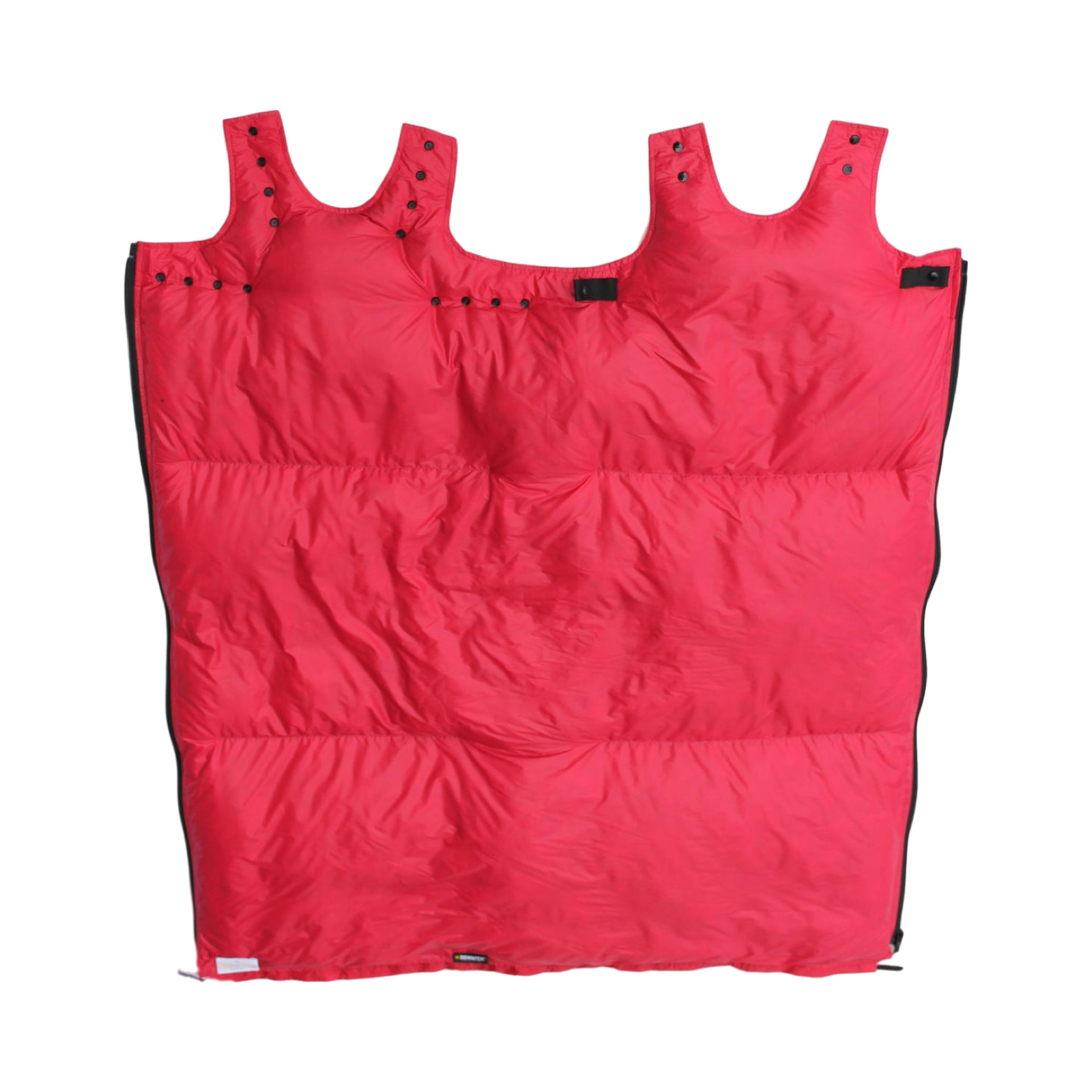
The elastic foot can either be sealed or folded up and tied at the waist so your child can walk around camp with the bag still on.
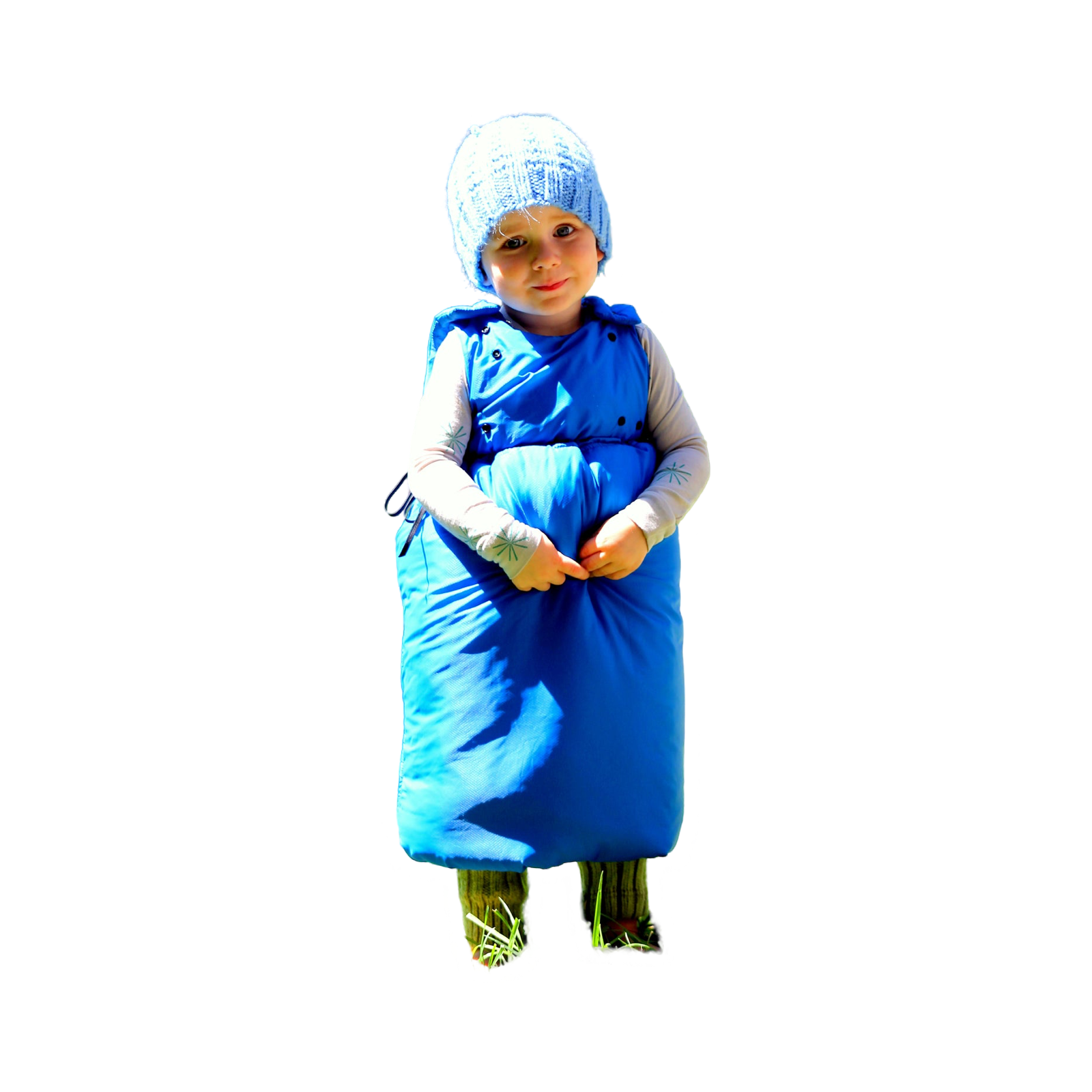
For child safety, there are no sliding drawstrings or cord locks on this baby sleeping bag.
Their sleeping bags range from $230 to $280 depending on size. Keep in mind that these bags have one of the longest ranges of use: 3 months to 3 years old, or 2 years to 6 years old.
This is a highly underrated option that I hope to see more outdoor parents using.
Another option for babies under 6 months is the Sleep Nest Travel Sack. It comes in three sizes ranging from 0 months to 3 years old.
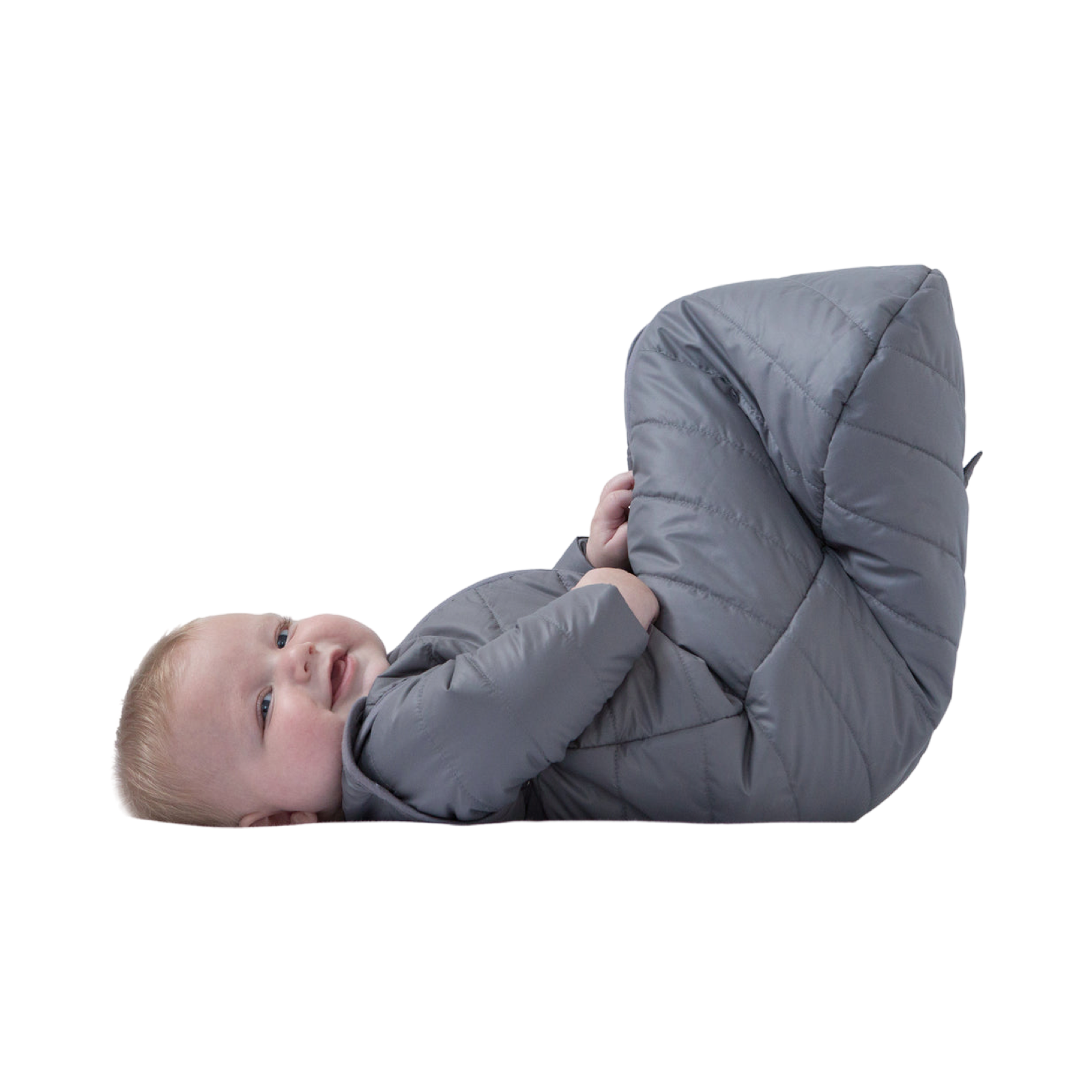
This sleep sack was designed specifically for outdoor use, but it is only rated for temperatures between 50°F and 65°F. Parents would need to layer appropriately underneath for colder temperatures. However, it is one of the warmest options in the baby sleep sack category with a TOG rating of 3.5.
One benefit is that it comes in sizes 0-6 months, 6-18 months, and 18-36 months.
These sacks have removable sleeves and were designed with stroller buckles in mind, so your baby can stay warm and safely buckled in on walks.
Their sleep sacks range from $42 to $55 depending on size.
Another outdoor-specific sleeping bag for slightly older babies and toddlers is the Mount Slumber Sack. It has one size option for roughly 18 months to 3.5 years old.
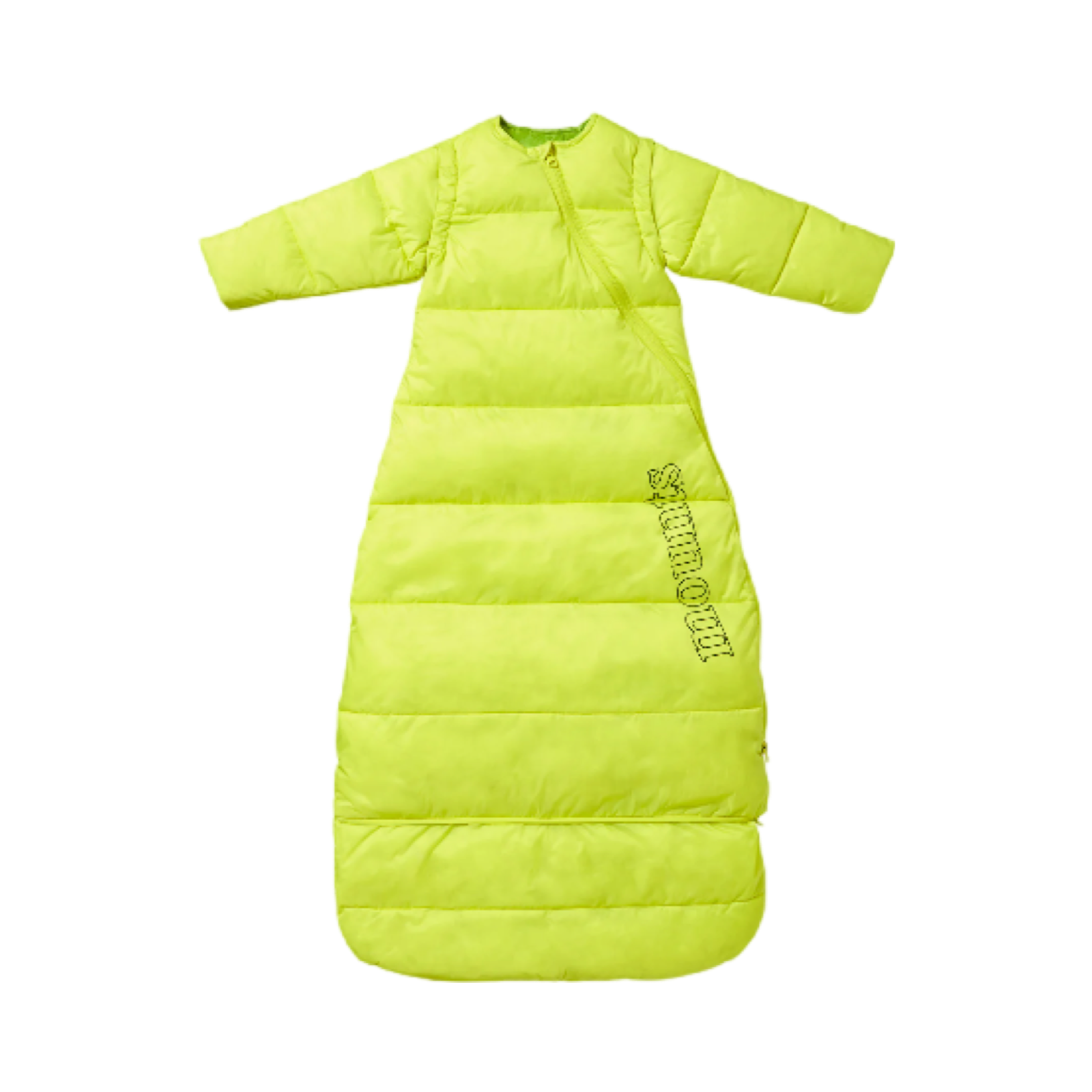
These bags are length-adjustable for a better fit based on your child’s age. They also have removable sleeves for varying temperatures and come in 20°F and 40°F options.
Their sleeping bags range from $120 to $150 depending on fill material.
You can find these sleeping bags online at Walmart.
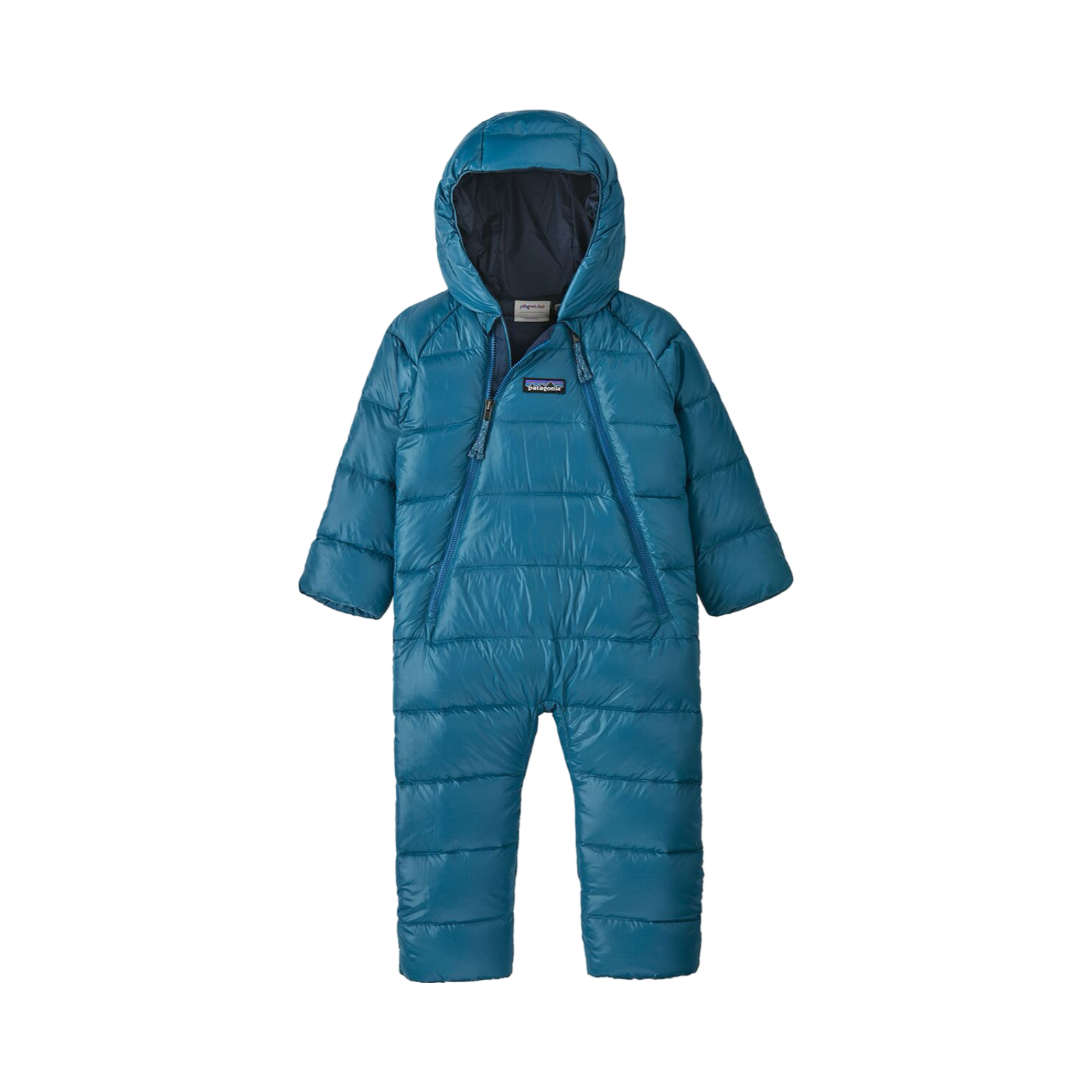
Some parents use warm down buntings for babies younger than 6 months, especially in colder temperatures. Remember that these products have not been rated for safe sleep.
Something like this Patagonia bunting could work. Patagonia’s down buntings are warm and come in a newborn size.
The Reima bunting is another option and actually snaps into a sleep sack. Reima products run big, usually one to two sizes big, so keep that in mind. It may not have a tailored fit or may have too wide of a neck opening. This product may also only show on Reima’s website seasonally.
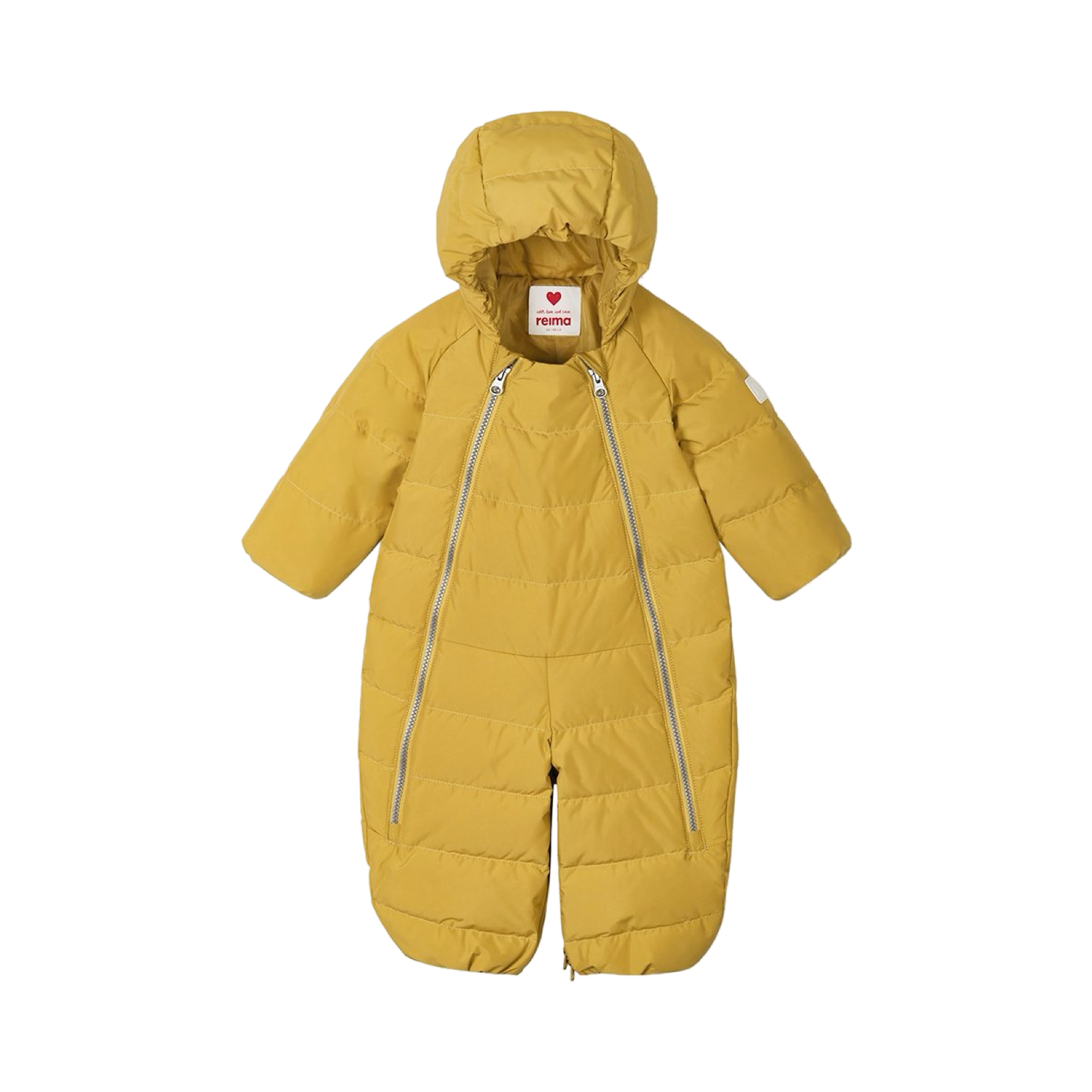
Again, these products are not necessarily rated for safe sleep. Some parents cut off the hoods of their baby buntings for “safer sleep.”
Some backpacking parents choose to co-sleep with their babies or share a sleeping bag.
This is not recommended by the AAP and is up to parental discretion. If you choose to co-sleep, consider using a quilt instead of a sleeping bag. I love this REI quilt for backpacking.
I co-slept with my first baby when backpacking. I still had him on a closed-cell foam pad, but I dressed him in a bunting and shared my backpacking quilt with him. Again, I am not recommending that families do this. You should weigh all the options and associated risks.
As a backup, some parents use an adult down jacket as a sleep aid or bag for cold nights. Some tie the sleeves to make it more like a sleep sack.
I switched my first kid to a kid sleeping bag around age 2 instead of using sleep sacks or baby/toddler-specific sleeping bags. This is a very personal decision for parents.
Some benefits of sleep sack-style sleeping bags or baby/toddler-specific sleeping bags include a more secure fit, less chance of your toddler sliding or wiggling out during the night, smaller packed size, and lower weight.
Benefits of a kid sleeping bag include lower cost and a longer useful lifespan. A kid sleeping bag can also be more versatile across varying temperatures, unless you are comparing it to something like the Milk & Honey sleeping bag.
I use the Big Agnes Little Red sleeping bag for my 4-year-old.
Once you have chosen your sleep sack or sleeping bag, you will need to decide what layers your child will wear underneath.
Parents often worry most about whether their baby will be warm enough, but overheating is also important to consider. I actually think overheating is more common. Babies are not able to regulate their temperature very well, especially if they overheat.
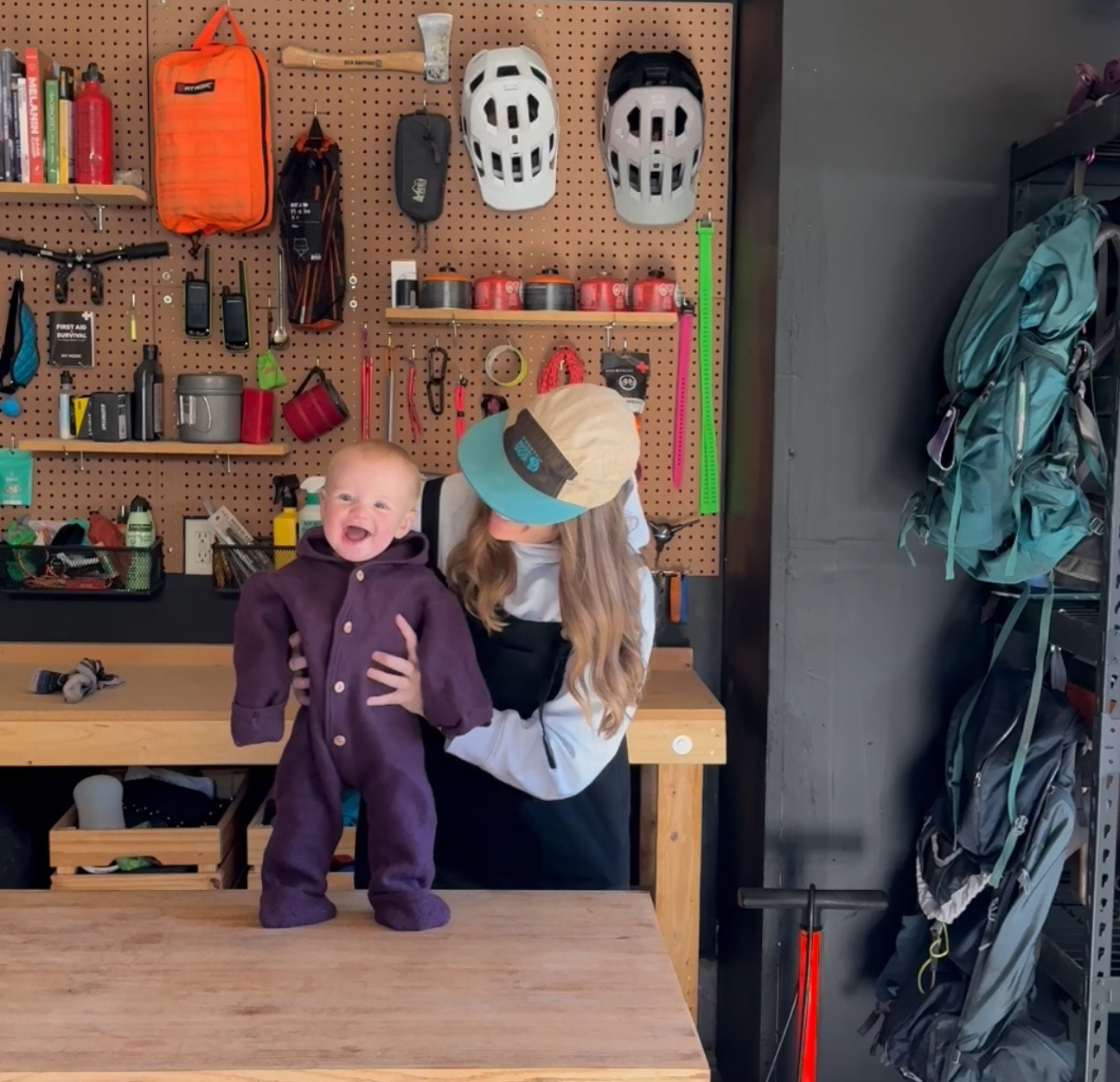
I highly recommend a merino wool base layer for camping babies. Wool has temperature-regulating properties, so it can help keep you warm and also help keep you cool. Wool also stays warm when wet, which can be helpful in case of nighttime diaper blowouts.
Wool is expensive, but I think it is an essential piece of gear if you are camping with babies, especially young babies.
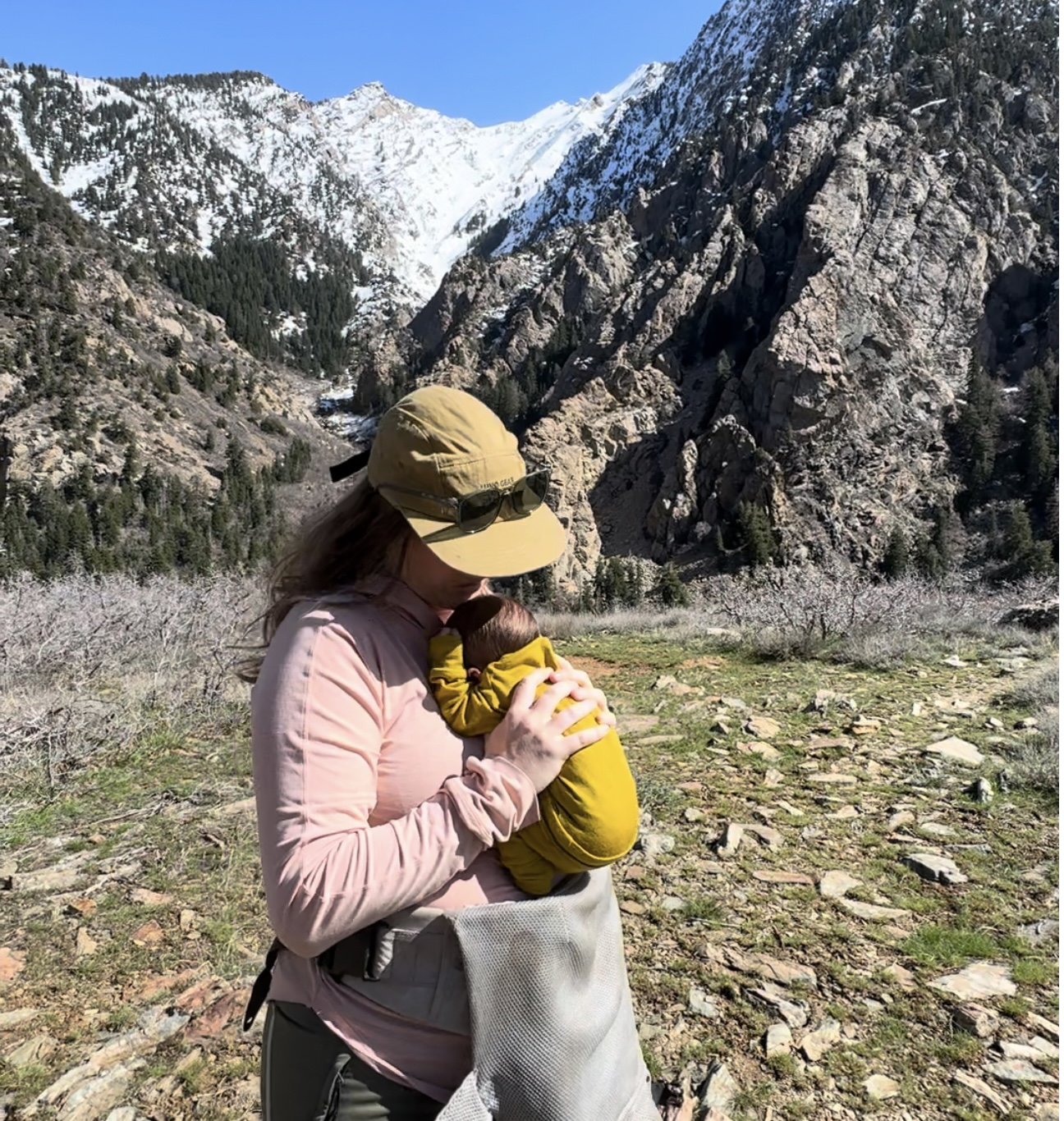
Suggestions for baby merino wool base layers:
Depending on the nighttime temperatures and the sleep sack you are using, you may also want to add a fleece mid-layer.
I also like to dress both my baby and toddler in wool socks and a thin beanie. Iksplor makes a great thin wool baby hat.
If possible, gradually work up to colder temperatures. Give yourself time to troubleshoot your setup and figure out what your baby is or is not comfortable in.
I also recommend waking up several times through the night to check your baby’s temperature, especially with younger babies.
Let’s be honest, most moms camping or backpacking with young babies or kids often do not get much sleep anyway. Sometimes that is from extra comforting, and sometimes it is from checking to make sure they are okay through the night.
Over time and with practice, you will be able to dial in the right sleep setup for your baby.
Babies may need more comfort when camping. If you are breastfeeding, that might mean breastfeeding for comfort through the night.
Whether you are breastfeeding for comfort or for an actual feeding, think through what you will wear so you can stay comfortable and warm. Iksplor also has merino wool nursing-friendly tops for moms.
If your baby is formula-fed, I recommend getting them used to taking bottles at room temperature or even straight from the fridge. Bottles will not be warm when camping, especially when backpacking.
When I was bottle feeding, I liked to keep a bottle with the right amount of water in my sleeping bag with me to keep the water a little warmer for nighttime feeds. Then I kept formula accessible to mix when needed.
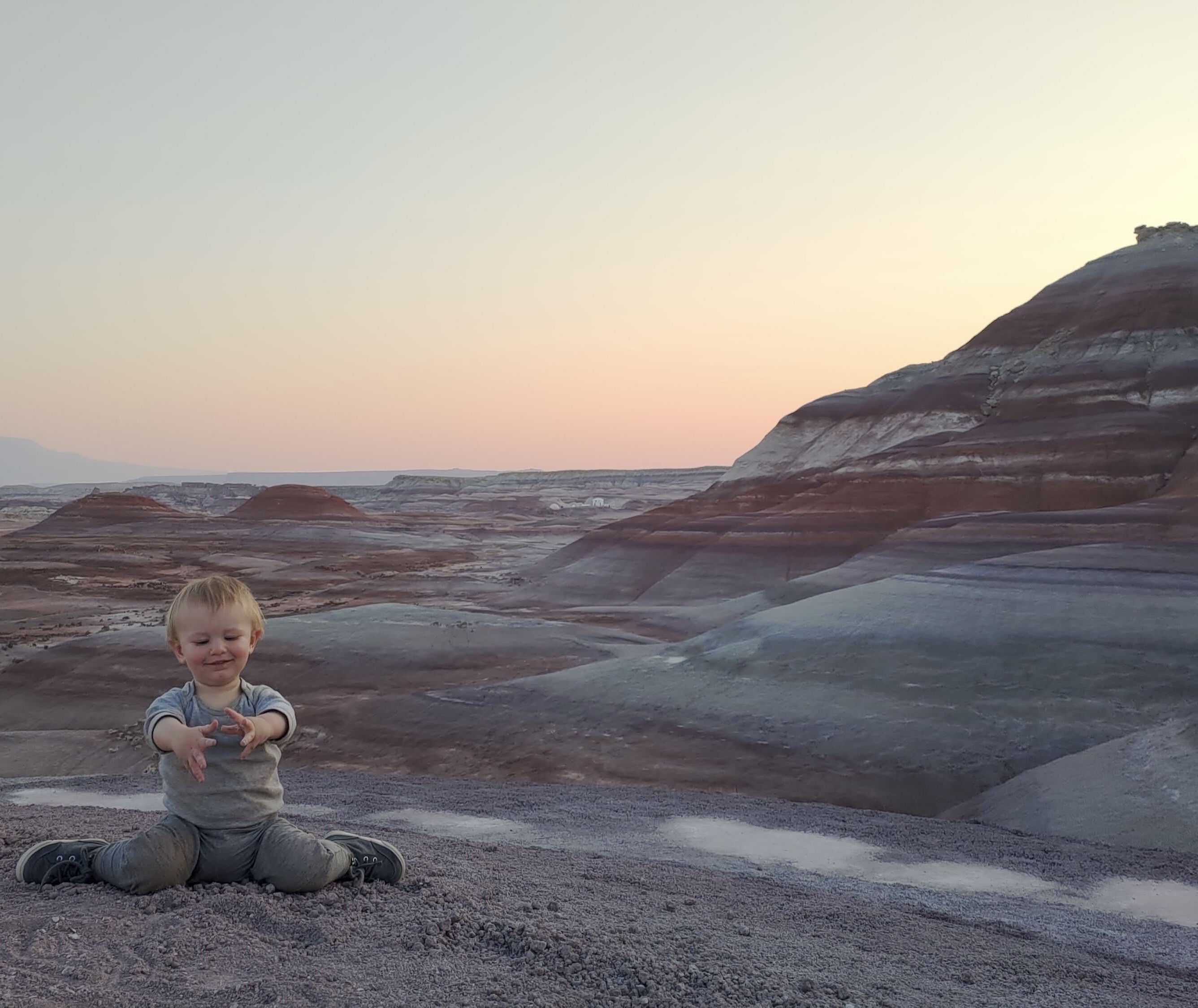
My last disclaimer: I want to acknowledge postpartum anxiety, postpartum depression, breastfeeding struggles, sick babies, birth injuries, and all the other things that can be huge barriers for parents when it comes to camping or getting outside with babies.
In the adventure parenting space, there is often this unwritten standard of “getting out with your baby as soon as possible.” I felt it, and I know others feel it too. I want to acknowledge that standard as unrealistic and unhelpful.
As a first-time mom with a birth injury, it greatly impacted my ability to get out on a walk, let alone go on an adventure with my baby.
So my biggest piece of advice to parents wanting to adventure with babies is this: do not compare yourself to other families, do not give in to pressure, do what is best for your situation and family, and know that you are an adventure family regardless of when you started camping or adventuring with your baby.
Discover the best Father's Day gifts for outdoorsy dads, from camping gear and backpacking essentials to hiking, fishing, and practical outdoor gifts he'll actually use.
How to protect your baby from mosquitoes and bugs while camping or backpacking with layers, bug netting, fans, permethrin, Thermacell, and smart campsite choices.
My favorite baby camping gear after years of camping with babies, including sleep setups, closed-cell foam pads, hammocks, baby carriers, camp high chairs, wool layers, fleece, and small comfort items.