Father's Day Gift Guide for Outdoorsy Dads
Discover the best Father's Day gifts for outdoorsy dads, from camping gear and backpacking essentials to hiking, fishing, and practical outdoor gifts he'll actually use.

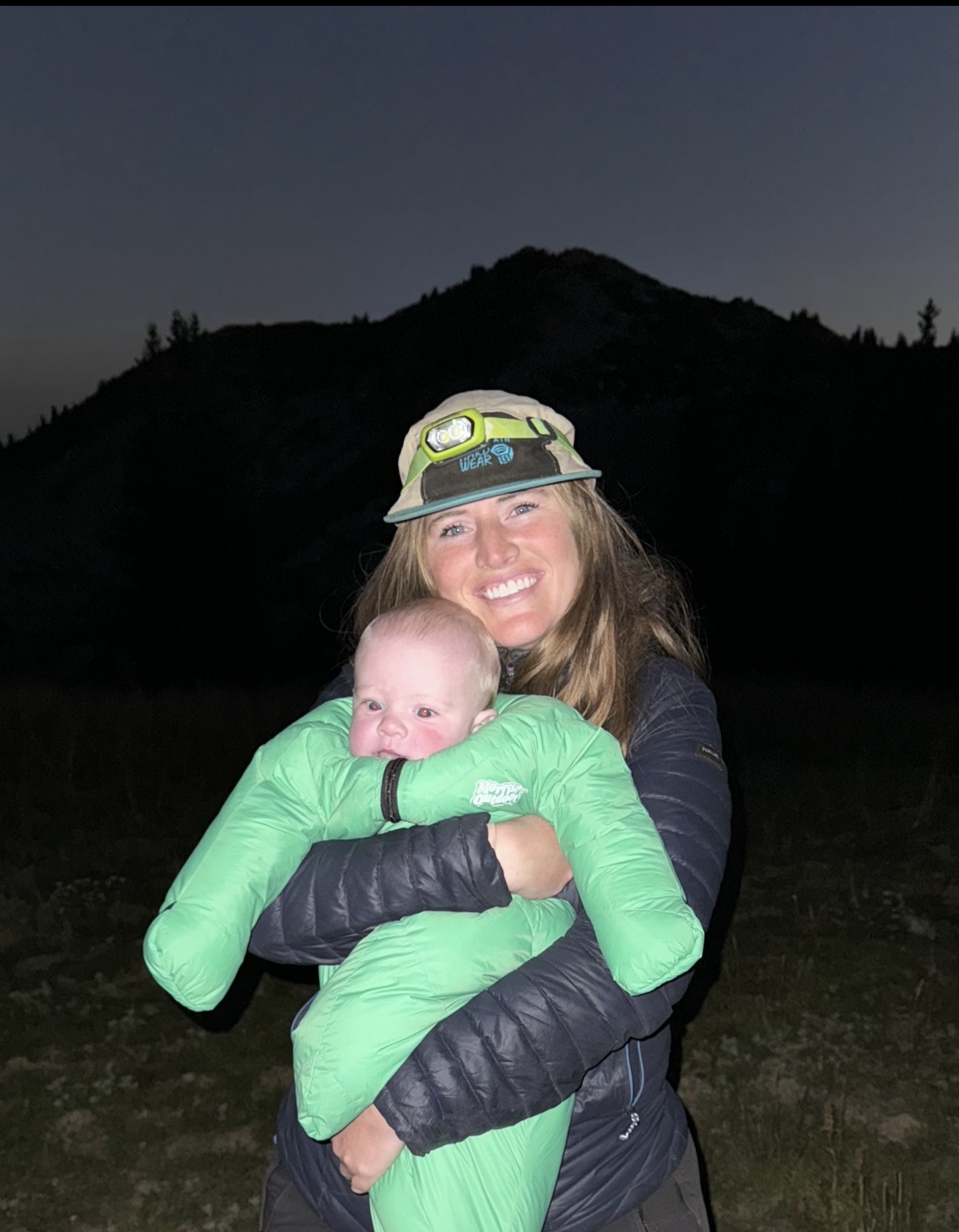
Over the years of camping and backpacking with babies, I have found that baby bug protection works best as a layered system. Usually, the safest and most effective approach is to combine a few different methods instead of relying on just one thing.
Before diving in, I always recommend talking with your pediatrician. Guidance can vary depending on your baby’s age, where you live, and the local risk of mosquito-borne illnesses like West Nile virus or ticks carrying Lyme disease.
For example, our pediatrician wanted me to wait until 6 months old before using a typical mosquito repellent on my babies based on the risk in our area. In some places, that recommendation may be different. That is why I think it is important to have an individualized conversation with your child’s doctor.
That said, here are the methods I personally use most often when camping or backpacking with babies.
If you are also building out your full baby camp setup, you may want to read my related posts on my top baby camp gear and my baby sleep setup.
For myself, and for my babies once they are 6+ months old and cleared by our pediatrician, this is the mosquito repellent I love to use.
I have also used this Murphy’s Naturals Lemon Eucalyptus Oil Mosquito and Tick Repellent Spray with younger than 6 months babies.
One of the simplest things you can do is dress your baby in long sleeves and pants.
Mosquitoes can bite through some fabrics, so I have found tightly woven layers work best. Thin stretchy fabrics sometimes look protective but still allow bites through the material.
I have noticed mosquitoes seem more likely to bite through:
One trick I use is holding the fabric up to the light. If I can easily see through it, mosquitoes may also be able to bite through it more easily.
If mosquitoes are especially bad, I like adding extra layers, like a fleece bunting or thicker outer layer, to make it harder for bugs to get through to baby’s skin.
A beanie or hood can also help protect little ears and heads during buggy evenings. I also tend to lean toward lighter colors.
There are also some clothes with built-in bug protection, like this Insect Shield Toddler Hoodie. The smallest size is 2T, but many parents start using it around 12 months.
I think mosquito stickers and patches fall into the helpful-but-not-magical category. This is the patches and stickers option I am linking here.

On their own, they probably are not enough in a truly buggy environment. But combined with layers, airflow, bug netting, and good campsite choices, I do think they can help reduce bites.
I especially like using them:
This is one of those internet mom tips that sounds random, but a lot of moms swear by it, myself included. If you want the product, this is the Johnson’s creamy oil I am talking about.

I usually apply it underneath layers rather than leaving skin fully exposed. I cannot promise there is scientific evidence behind it as a bug repellent, but anecdotally, many parents feel like it helps reduce mosquito interest.
At minimum, it also helps keep baby skin moisturized while camping in dry mountain air.
If there is one thing I think more camping parents should bring, it is a portable fan.
Mosquitoes struggle in moving air, and even a small fan can make a huge difference around babies. One camping trip in particular with my second baby, our portable fan was honestly the MVP for keeping mosquitoes off of him.

It is also just an incredibly useful tool with babies in general, especially for helping keep younger babies cooler and more comfortable in warm weather.
Bug netting is a simple but effective tool for protecting babies from mosquitoes and other bugs while camping or backpacking. If you want a simple option, this mosquito netting is an easy thing to keep in your camping bin.
Mosquito net suits are another option, but the smallest size is usually 2T, so they tend to fit a little older kids better.

You can drape netting over:
Sometimes the simplest solutions really do make the biggest difference, especially during buggy evenings around camp.
One of my favorite baby camping items is a portable mesh travel bassinet like the KidCo PeaPod.

It only weighs around 2 pounds, but it can do a lot:
For backpacking families or families trying to simplify gear, I think these lightweight mesh sleep spaces can be incredibly useful.
Permethrin treatment is essential at our house. It has been a lifesaver for my husband and me on many buggy camping trips and hikes. If you want the spray we use, here is the Permethrin Spray we use to treat clothing, gear, and tents.

You can treat clothing layers and gear ahead of time for mosquito and tick protection, and I have found it can make a huge difference in especially buggy environments.
When to start treating your baby’s clothing is a personal decision and something I recommend discussing with your pediatrician if you are unsure.
If I am treating gear or clothing for a younger baby, I personally avoid treating:
Even if you are not treating your baby’s clothing yet, I still highly recommend considering permethrin treatment for gear items like tents, camp chairs, hiking carriers, and other outer gear used in buggy environments.
Just use extra caution around any areas your baby may chew on, suck on, or regularly put near their mouth or face.
When mosquitoes are truly relentless, a Thermacell can make a huge difference around camp.

They create a mosquito-repellent zone around your seating area, cooking area, or hangout space.
I especially appreciate them:
They are one of the few things I have found genuinely helpful when mosquitoes are aggressive. For the main portable option, I use this portable Thermacell. If you want the fuel or backpacker option, this Thermacell fuel option is the one to look at.
During peak mosquito season, I try to choose:
Mountain evenings near lakes or marshy areas tend to be the buggiest experiences for us.
Even a little wind can dramatically reduce mosquito activity.
I also try to avoid being outside at dusk when possible. Early evening is often peak mosquito time, especially around lakes and marshy campsites. I keep tent doors zipped quickly too, because one mosquito inside the tent at 2 a.m. somehow feels like 500.
This is one of the biggest strategies I use for camping during peak mosquito season, not only with babies and toddlers, but for myself too.
One thing I have learned after years of camping with babies is that bug protection usually works best as a layered system.
Instead of looking for one perfect solution, I combine:
Some nights are still buggy.
But with the right setup, it is completely possible to camp and backpack comfortably with babies, even during mosquito season.
You do not need a bug-free campsite to have an amazing experience outside with your family.
That depends on your baby’s age, your location, and your pediatrician’s guidance. I always recommend asking your child’s doctor before using any repellent on a baby.
I have found the best results come from layering a few things together: protective clothing, airflow, bug netting, permethrin-treated gear, and smart campsite selection.
Permethrin is commonly used on camping clothing and gear, but I recommend using caution with baby items and talking with your pediatrician if you are unsure. I personally avoid treating areas near baby’s mouth, face, cuffs, or anything they chew on.
Long sleeves, long pants, a fan, bug netting, and choosing a windy campsite can all help reduce bites. For many families, the best approach is not one product, but a combination of several simple tools.
Discover the best Father's Day gifts for outdoorsy dads, from camping gear and backpacking essentials to hiking, fishing, and practical outdoor gifts he'll actually use.
My favorite baby camping gear after years of camping with babies, including sleep setups, closed-cell foam pads, hammocks, baby carriers, camp high chairs, wool layers, fleece, and small comfort items.
Best solution for keeping babies feet warm in winter. Use a soft baby bootie.