Father's Day Gift Guide for Outdoorsy Dads
Discover the best Father's Day gifts for outdoorsy dads, from camping gear and backpacking essentials to hiking, fishing, and practical outdoor gifts he'll actually use.

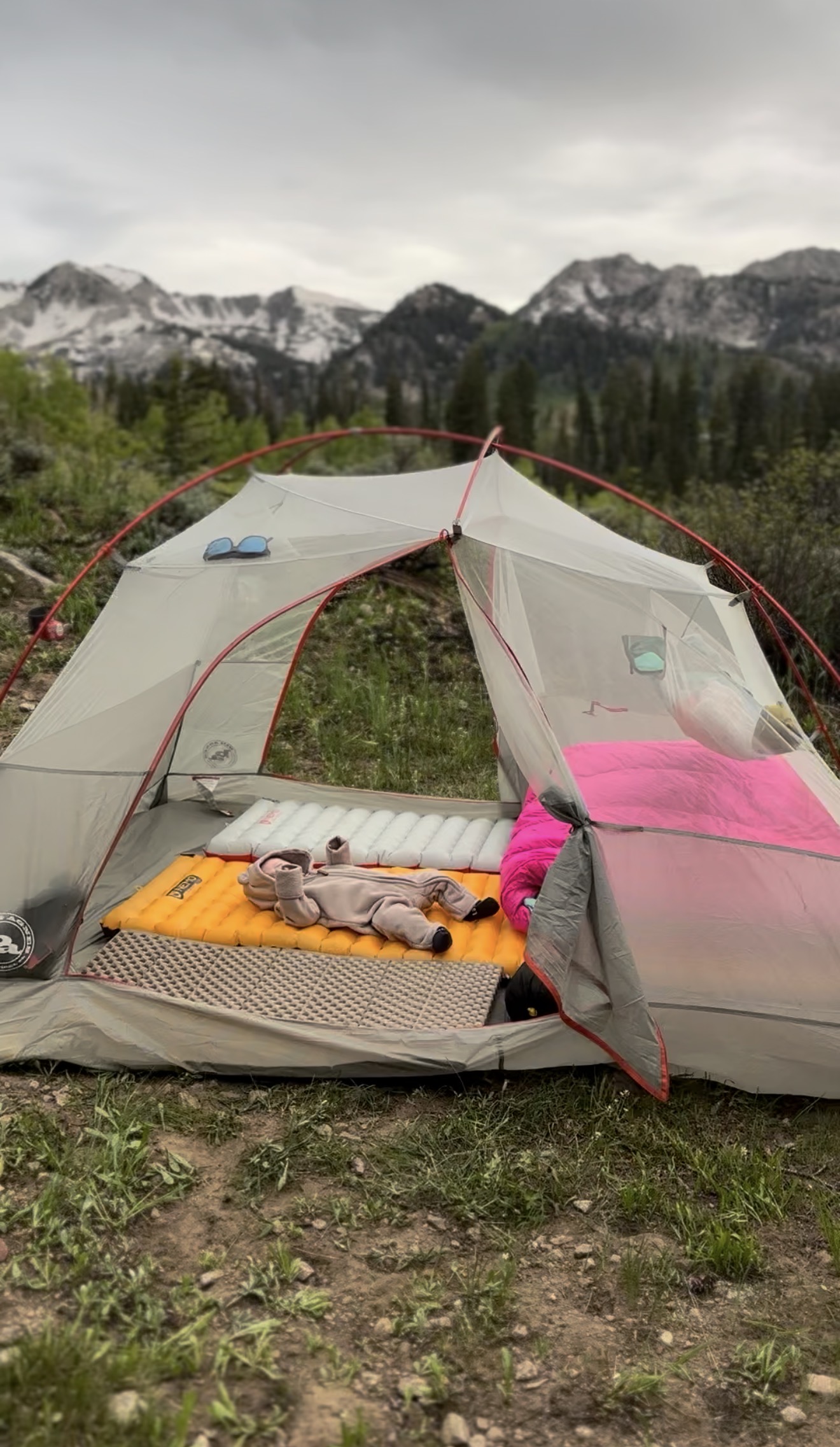
I think baby camping gear works best when it solves a specific problem.
For me, the biggest problems are usually:
This list is not meant to make camping with babies feel more complicated. It is meant to show what I actually use and what has earned a permanent spot in my camp setup.
If you just want the gear links, here is the quick list. More details on how I use each item are below.
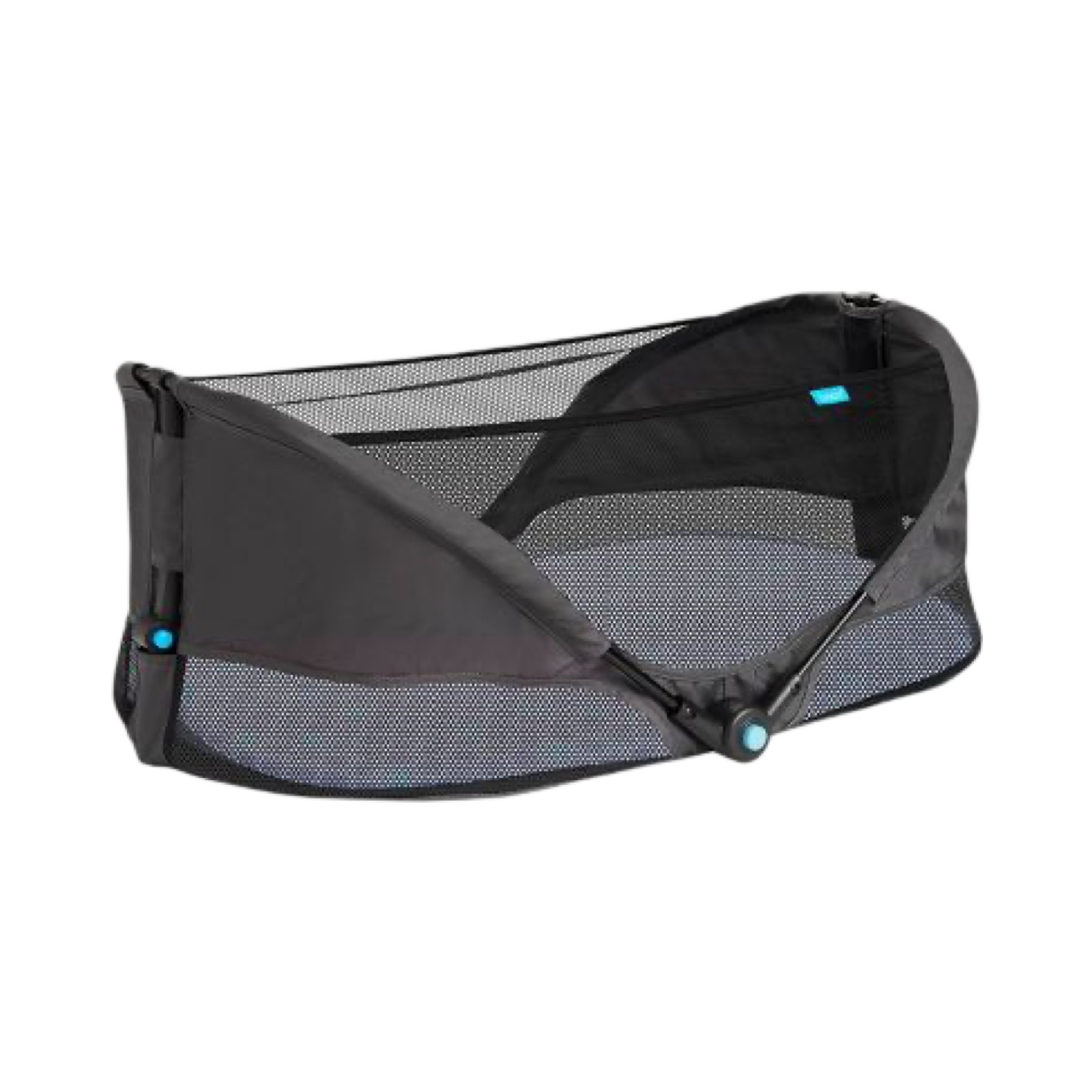
Portable Bassinet - car camping
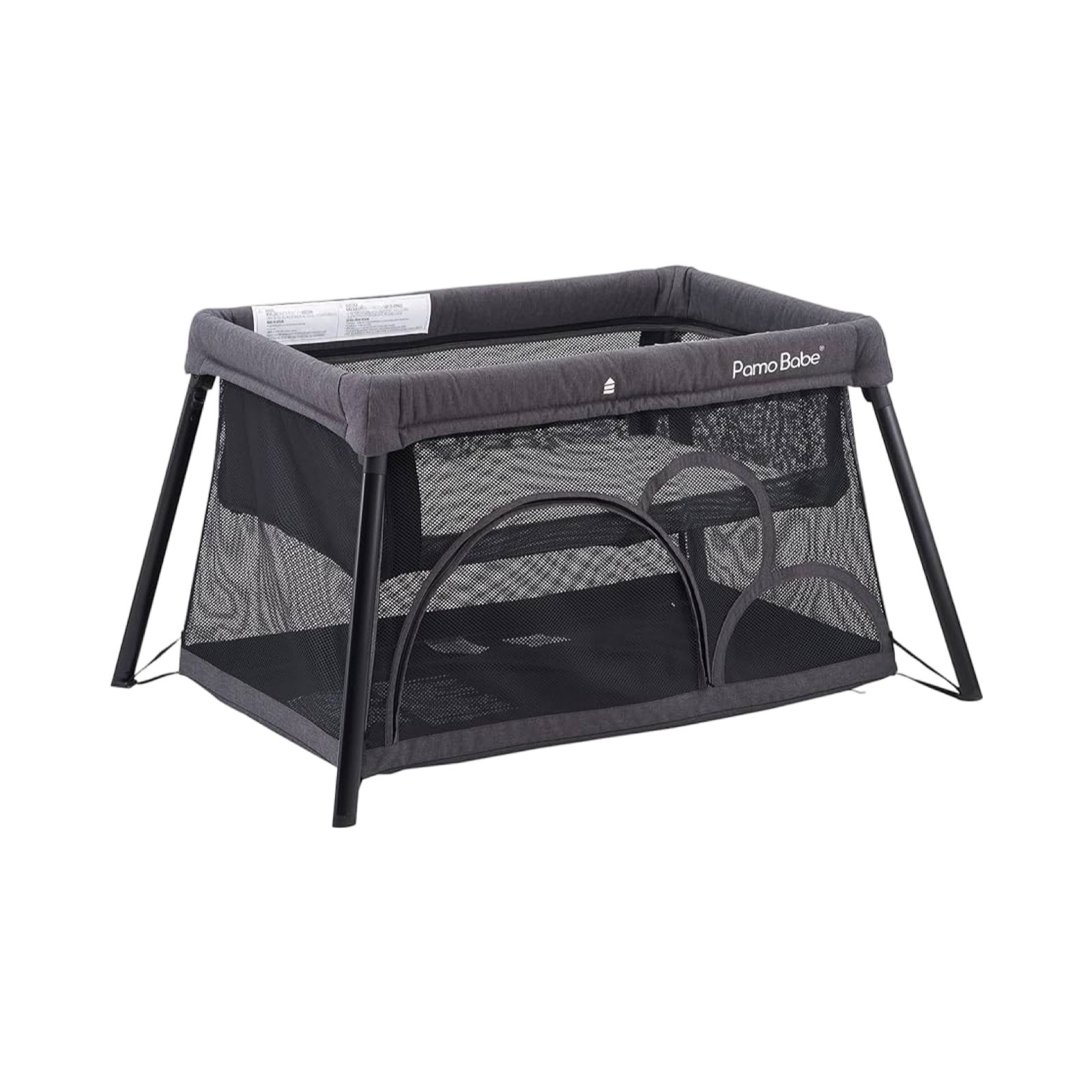
Portable Travel Crib - car camping
Closed-Cell Foam Sleeping Pad - backpacking, sleep surface, and baby play mat

Mini Closed-Cell Foam Sit Pad - trail feedings, diaper changes, and quick camp sits

Lightweight Baby Tent/Bassinet - backpacking or car camping

Portable Play Yard - car camping option if you want more containment
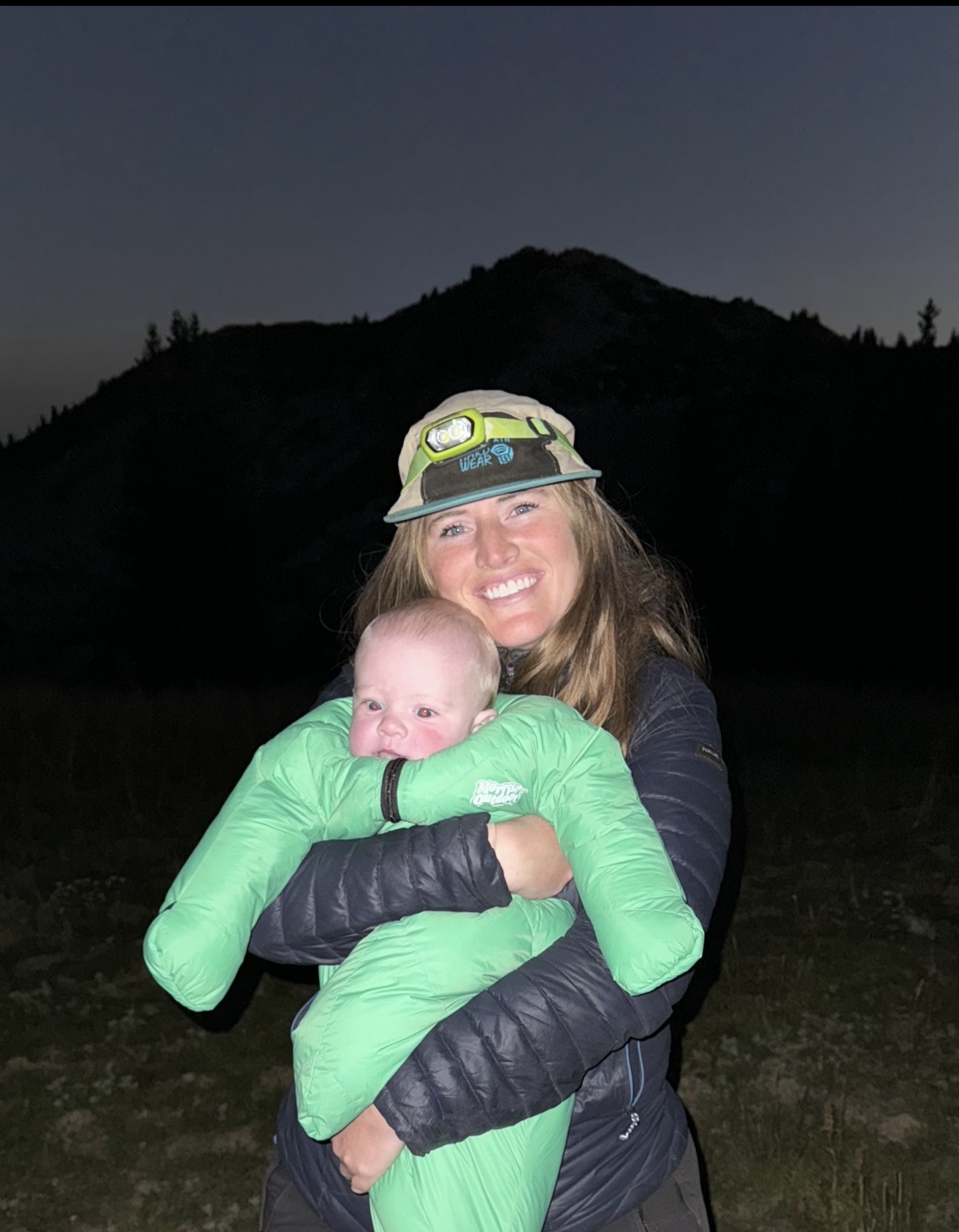
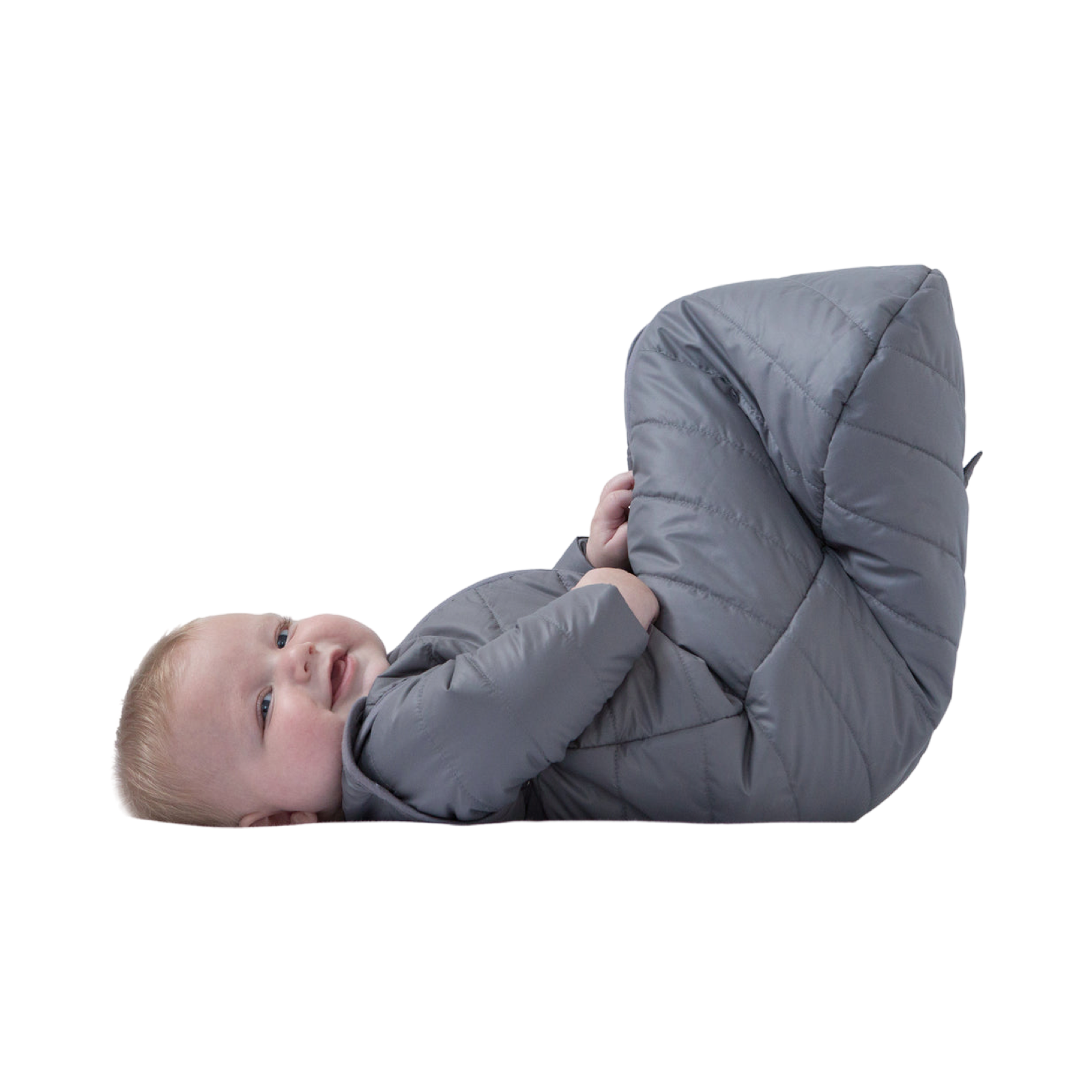
Morrison Outdoors Baby Sleeping Bags - 6 months to 5 years
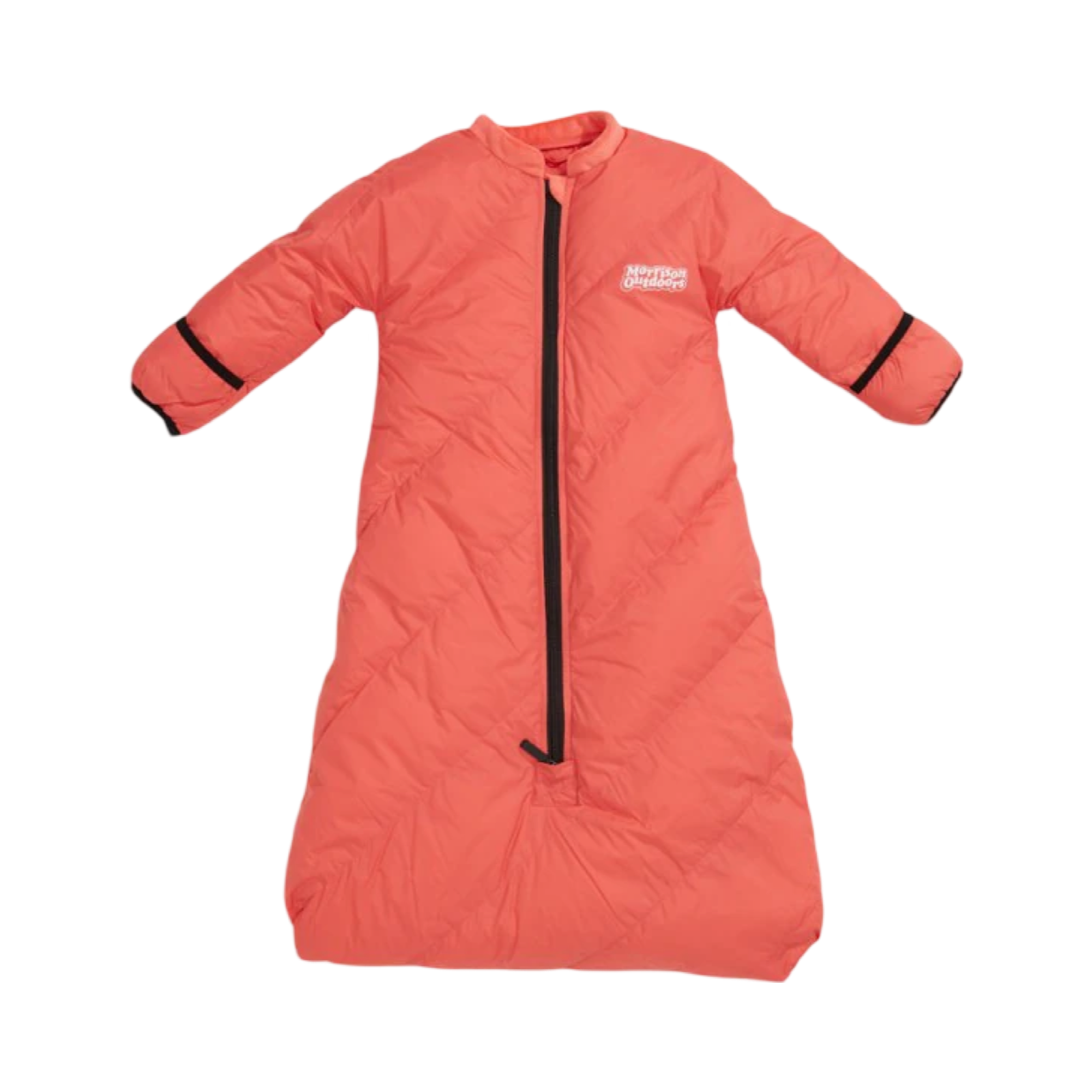
Milk & Honey Down Sleeping Bag - 3 months to 6 years
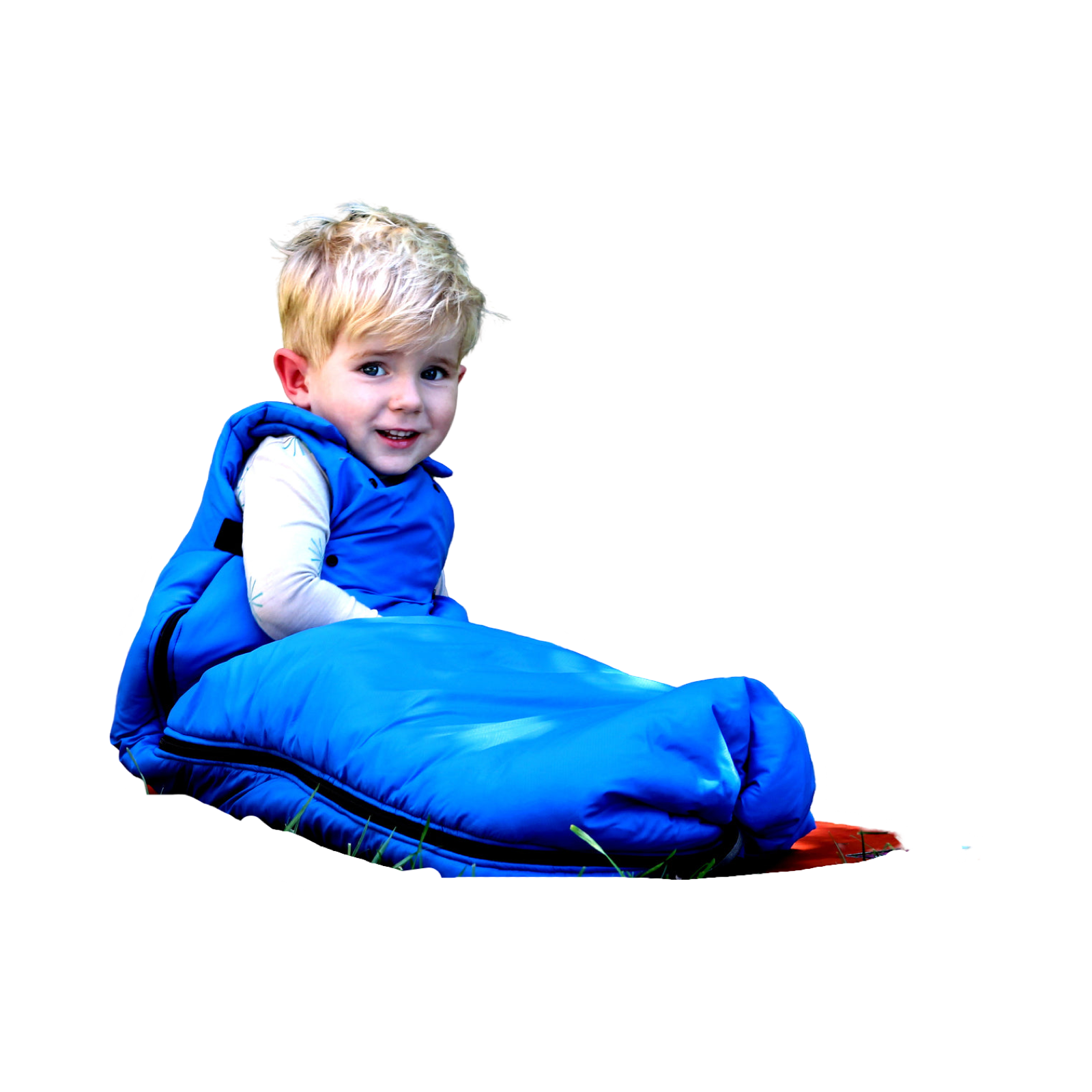
Sleep Nest Travel Sack - 0 months to 3 years





The first thing I think about when camping with babies is where baby can safely sleep and play.
For car camping, a portable bassinet or portable travel crib can create a familiar sleep space without worrying about weight or packed size.
For backpacking with a baby, I keep it simpler. Since babies should not sleep on inflatable sleeping pads, I use a closed-cell foam sleeping pad. It gives baby a firm sleep surface and doubles as a play mat at camp.
If you fold a closed-cell foam pad in half, it doubles the R-value from 2 to 4. That adds warmth from the ground without packing another pad.
I have had my pad for over 15 years. It has been used for backpacking, baby sleep setups, diaper changes, trail breaks, and camp play.
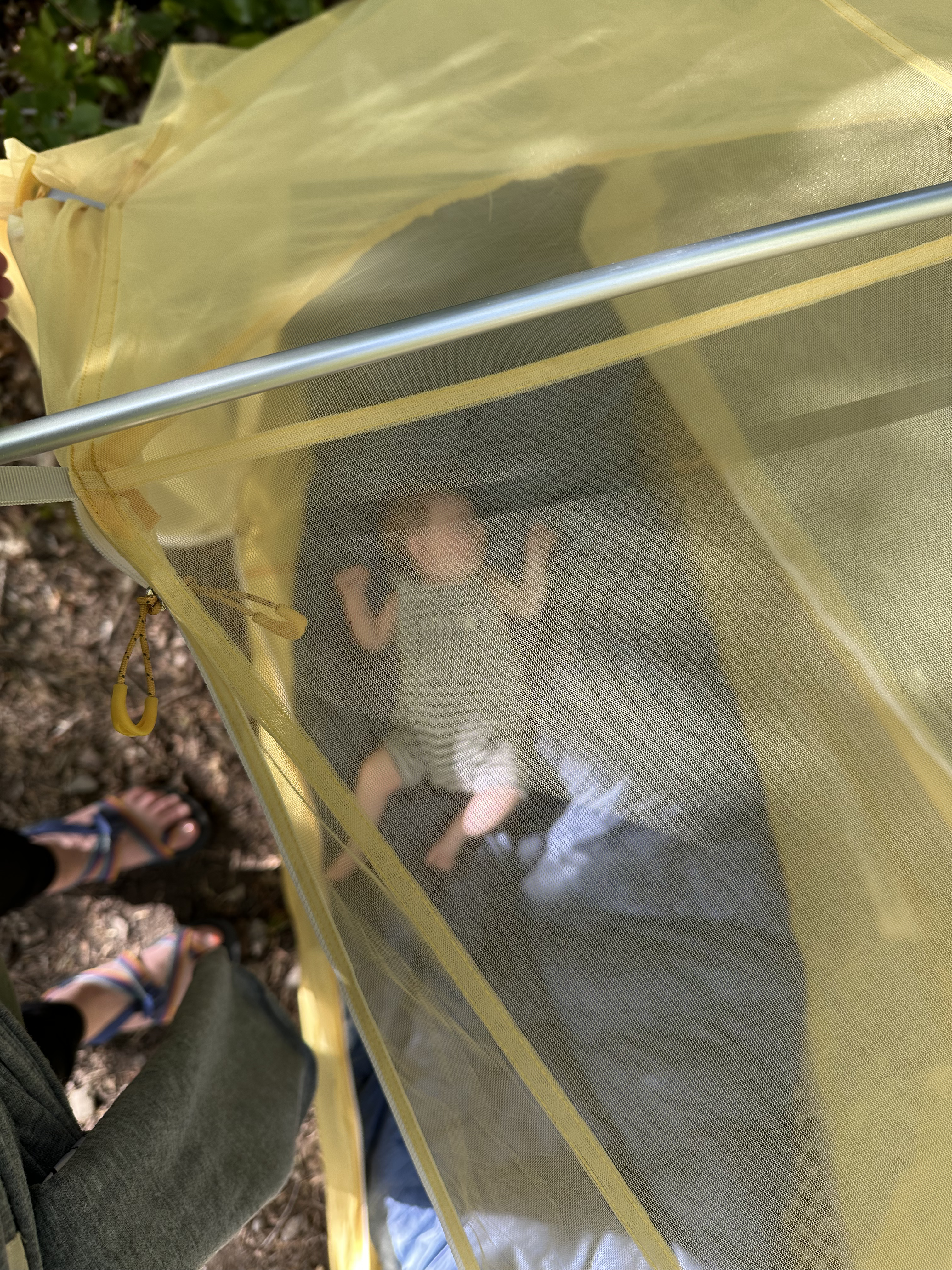
A lightweight portable baby bassinet or tent is another option for car camping or backpacking.
Many backpacking families like this because it creates a defined sleep space for baby. It can also work outside the tent for sun protection, bug protection, and supervised play.
Personally, we usually just use our closed-cell foam pad when backpacking, but I understand wanting something with more structure, especially with younger babies or bugs.
As my babies get mobile, I lay out a blanket, mat, closed-cell foam pad, or the tent footprint as their play space.
I do not usually bring a bulky portable play yard. One of my favorite tricks is pulling the tent footprint out during the day as a baby play mat, then putting it back under the tent at night.
For entertainment, safe camp items often work just as well as toys: a cup, spoon, stuff sack, empty water bottle, or clean camp item.
If I need full containment, I use:
A mini closed-cell foam sit pad is a tiny version of a closed-cell foam sleeping pad, and it gets used constantly.
I use it for:
It is small, light, and easy to shove into a backpack or daypack.

A hammock is one of my favorite baby camping gear items for camp naps and soothing.
I use a hammock for car camping and backpacking, but it is especially helpful when backpacking with a baby because you do not have many bulky baby tools. It gives you a simple place to sit, nurse or bottle feed, rock, soothe, and help baby nap.
For a budget option, look at this cheaper hammock. For backpacking, these lightweight hammock options are worth looking at.
Once you have a sleep surface, the next question is how to keep baby warm overnight. I have a full breakdown here: Camping and Backpacking with Babies - Sleep Setup.
For this baby camping gear list, the short version is:
The right option depends on your baby’s age, overnight temperatures, sleep surface, and what layers they are wearing underneath. I would not choose a sleeping bag based on temperature rating alone.
Some parents use warm down buntings for babies younger than 6 months, especially in colder temperatures. Just remember these are not usually rated for safe sleep.
Something like a Patagonia-style down bunting can work because down buntings are warm and some come in newborn sizing.
The Reima bunting is another option and snaps into a sleep sack. Reima runs big, often one to two sizes big, so check the fit carefully.
Again, these are not necessarily rated for safe sleep. Some parents cut off bunting hoods for “safer sleep.”
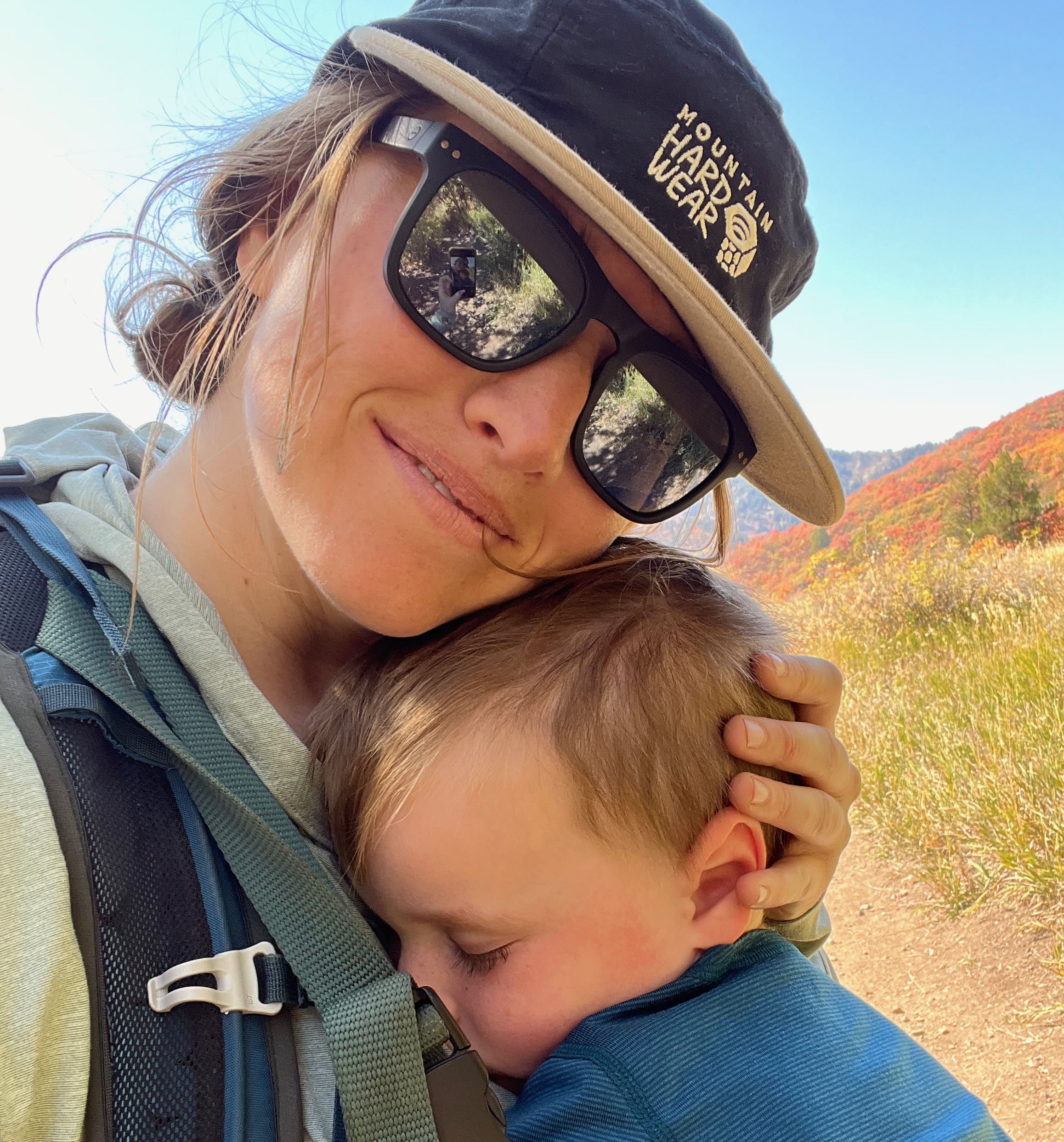
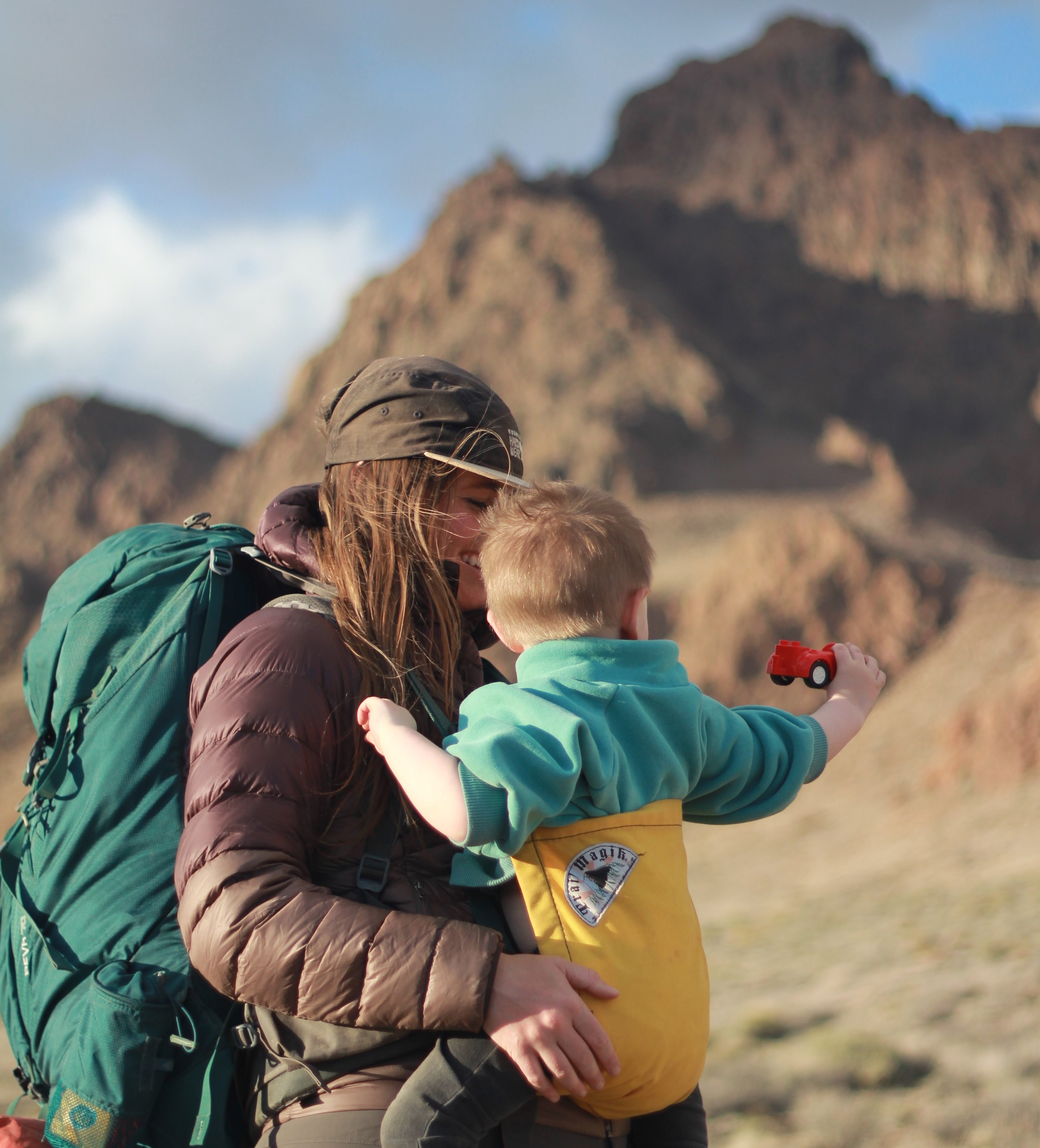
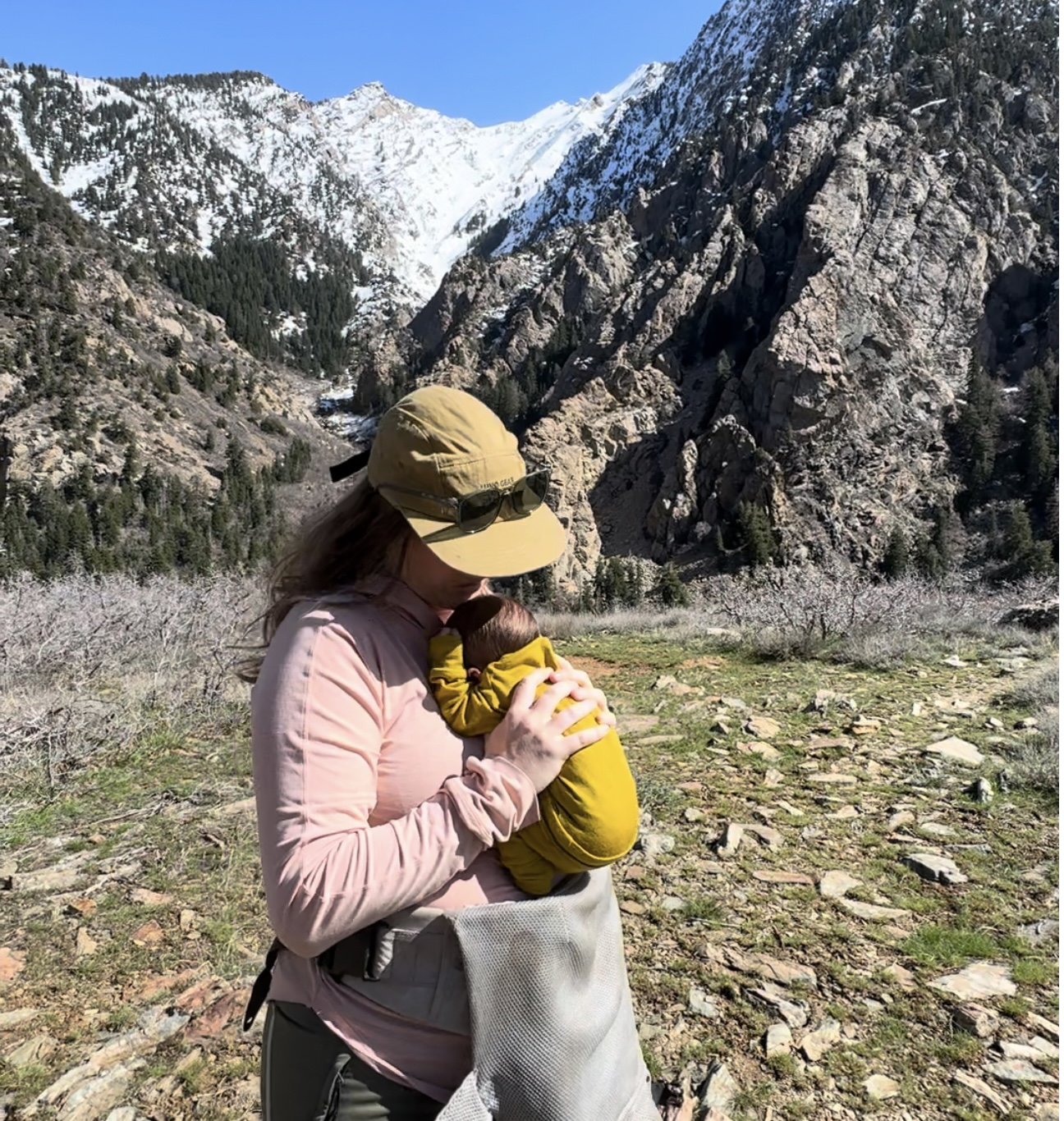
A baby carrier is one of the most useful pieces of baby camping gear because it helps with hiking, naps, soothing, and camp chores.
Baby carriers help me:
Carrier options I use or recommend:
A portable high chair gives baby a safe place to eat and stay contained for a short period of time.
This is essential for me when car camping. It could be taken backpacking if you really need the containment, but I usually think of it as a car camping item.
For our pacifier-loving baby, the Trail Tether pacifier clip was essential.
His pacifier helps soothe him at night, and I do not want to dig through dirt, the tent, or a sleeping bag for a lost pacifier at 2 a.m.
As a bottle mom, this Babygami 3-in-1 bottle was one of my favorite pieces of baby camp gear.
It works as a baby bottle, sippy cup, or snack cup. I love baby camp gear that can grow with your child or serve more than one purpose.
Wool layers are expensive, but wool clothing from Iksplor has been worth it for camping with babies.
Wool is temperature regulating, stays warmer when wet, and works well for base layers and baby socks. This matters when babies are being carried, sitting around camp, or dealing with a diaper blowout.
A fleece bunting is my most-used warm layer for summer camping with babies. It is cheaper than wool or down, easy to find secondhand, and great for cool mornings, evenings, and sleep layers.
Once babies are crawling around camp, I like durable baby pants that can handle dirt, rocks, and rougher surfaces.
I recommend sizing up if you can. Jogger-style or tapered ankles make it easier to buy pants a little big without having them drag everywhere.
A portable sound machine can make sleep at camp feel more familiar. If your baby uses white noise at home, it can help with naps and nighttime sleep outside.
A baby sun hat is a warm-weather camping essential. Before babies can wear sunscreen, sun protection is mostly shade, clothing, and hats.
A portable fan helps keep babies cool in a tent, travel crib, stroller, or shaded hangout spot during warm-weather camping.
The best baby camping gear is the gear that solves a real problem. For me, that means a closed-cell foam pad, wool layers, fleece, a baby carrier, a hammock, a portable high chair, and a few small comfort items like a pacifier clip, sound machine, and good baby bottle.
You do not need every baby camping product to get outside. Start simple, camp close to home, and add gear as you learn what your baby and family actually need.
Discover the best Father's Day gifts for outdoorsy dads, from camping gear and backpacking essentials to hiking, fishing, and practical outdoor gifts he'll actually use.
How to protect your baby from mosquitoes and bugs while camping or backpacking with layers, bug netting, fans, permethrin, Thermacell, and smart campsite choices.
Best solution for keeping babies feet warm in winter. Use a soft baby bootie.